|
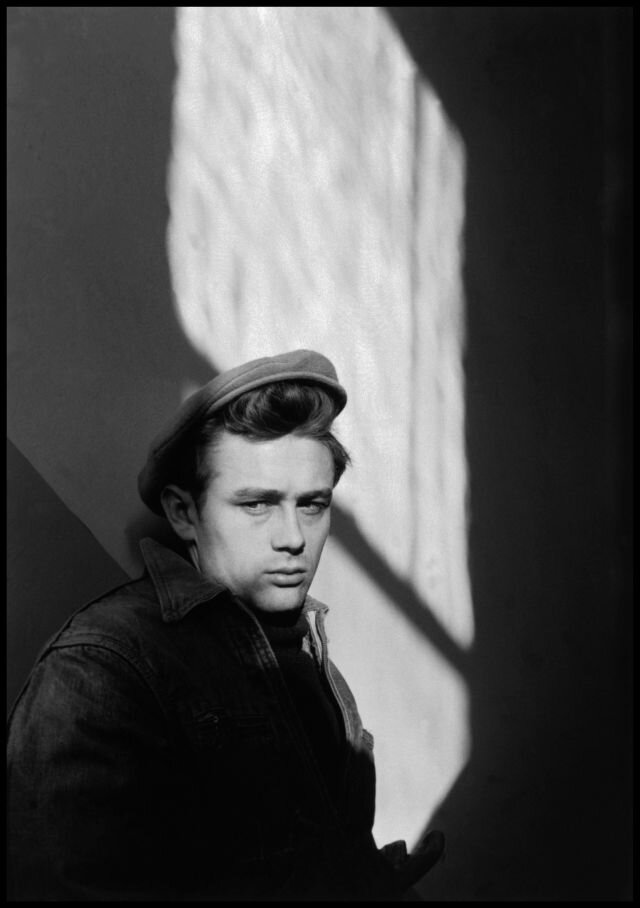
James Dean follows his own road and much more! $$PLAIN_TEXT_PREVIEW$$
MY FAVOURITE THINGS
Rebel Rebel
|
“Dream as if you'll live forever. Live as if you'll die today.”— JAMES DEAN
|
|
Welcome back to the future! A very big shout out to the uber-talented Bel Campbell for bringing my website and newsletter out of the dark ages and into the twenty-first century!
|
|
I found myself trawling the ‘net early this week and stumbled upon the fascinating life of Luke Davies, an Australian novelist and screenwriter, whose career continues to brighten with every passing year. Davies has struck gold in Tinseltown since penning this 2015 biopic on the rise of James Dean. Purchasing the flick on Apple TV for a steal ($7.99AUD), I quickly discovered what all the fuss was about. Directed by the legendary Dutch photographer and filmmaker Anton Corbijn, the story centres around the world of Dennis Stock (Robert Pattinson) a low-level New York photographer with grandiose dreams of becoming an artist. Upon meeting Dean (Dane DeHaan) at the Chateau Marmont, Stock puts everything on the line to capture the likeness of this rising star. The story’s central motif resonated with me, offering a true-to-life reflection of the creative process and the roller coaster of emotions that come to the fore when bringing dreams to life. Pattinson brings so much range to the table and communicates the personal struggle of this photographer with such clarity and purpose. While DeHaan falls short (literally and figuratively) of filling Dean’s shoes, his choices helped me to understand how tortuous his life had been. Stock’s intimate images of the Indiana star are a timeless statement of a now forgotten time.
|
|
This past week has led me down a rabbit hole of opinion pieces on the current role of technology in our lives. I sincerely enjoyed this op-ed piece by Pico Iyer in the New York Times on the latest craze towards technological disconnection. I also thoroughly enjoyed Andrew Marantz’ latest piece in the New Yorker on Silicon Valley’s conscience crisis as channelled through Tristan Harris, a former Facebook and Google employee. After listening to Tim Ferriss’ latest conversation with Tristan Harris and his advocacy for Time Well Spent, it got me to thinking about my own relationship to technology. Whether we want to admit it or not, we’ve become slaves to our devices, forever looking to them for answers and companionship. I’ve gotten much better at how I use my own, putting them to work instead of the other way around. That said there are so many moments in a week where I find myself lost in its glow, having lost of all sense of time and purpose. As the algorithms continue to get better at grabbing our attentions we’d do well to start thinking about whether we really ‘need’ all of these distractions in our lives. You can watch Harris’ TED talk How Better Tech Could Protect Us From Distraction here. “It’s vital, of course, to stay in touch with the world, and to know what’s going on… But it’s only by having some distance from the world that you can see it whole, and understand what you should be doing with it.” — Pico Iyer
|
|
I stumbled across this raunchy classic on Foxtel Now and decided it was time to pull the trigger. For one reason or another I’ve done my darnedest to avoid watching the films of Lawrence Kasdan, their storylines coming across as overly indulgent and lacking in any real emotional stakes. The Big Chill, while living up to my expectations also put a smile on my dial. The film features an ensemble cast of early eighties big-hitters including Kevin Kline, Glenn Close, Tom Berenger, William Hurt and Jeff Goldblum (my favourite fellow Libran!) who come together for a funeral weekend to celebrate and mourn one of their dearly departed friends. After discovering this silly little listicle, I was amazed to discover that a then-unknown Kevin Costner was cast in the role of Alex, the suicide friend, his one flashback scene abandoned to the cutting-room floor. Kasdan is the screenwriter behind Star Wars: Episode V & Raiders of The Lost Ark, blockbuster hits that forced the studios to bend the knee and give in to his directorial ambitions. While I had a good chuckle over some of Goldblum’s awkward antics the overall storyline left little to the imagination. Watching a cast of white actors gossip about their white bread lives wasn’t all that captivating and resulted in me diving into social media on more than one occasion. Yet there was something about the ensemble that kept me watching and left me feeling better for it. Besides the score is one hell of a trip down memory lane.
|
|
I came across a promotional ad for this new podcast series while listening to the New Yorker Radio Hour. The series features daily episodes ranging from six to ten minutes and asks each guest star to share a classical piece of music that has impacted their life for the better. What’s extra special about the series is that each episode closes out with the selected piece uninterrupted. There’s something really profound about this richly-produced podcast. While I’ve only had the opportunity to enjoy a few of them, they’ve reunited me with a range of musicians that have given me unique comfort over the years. From Igor Stravinsky to Steve Reich, these legendary composers have gifted the world with so much joy, offering up compositions that allow us time to reflect and grow as individuals. I sincerely enjoyed the episode with Sam Mendes and his journey to making American Beauty, his first feature film. Mendes speaks to the power of Carl Orff’s Gassenhauer, a piece of classical music that informed the way he visually captured American suburbia. Hearing him speak about the power of the music on the film’s final theme, composed by Thomas Newman, was something special indeed.
|
|
I was amazed to discover that Luke Davies and David Michôd (Animal Kingdom, The Rover), a pair of Aussie wunderkinds, are the creators of Paramount’s television adaptation of Joseph Heller’s Catch-22, that premiered on Hulu (Stan for us antipodeans) in May. While I’ll admit to being a little underwhelmed at the series opener, I’ve since come around and am now lapping up the six-part series. There is something inherently captivating about watching these young men, a crew of American bombardiers, doing their darnedest to avoid ending up in a body-bag. The series has a distinctly Australian tinge, offering up a view of war that conveys the absolute senselessness of its mission statement. This mini-series is the perfect framework to bring Heller’s classic novel to life, allowing enough breathing room to ensure we have time to fall in love with its protagonists before meeting their premature demise. Featuring a new generation of acting talents, it’s clear that this series will be best remembered as heralding the next generation. Actors like Christopher Abbott, Lewis Pullman, Austin Stowell, Graham Patrick Martin, Daniel David Stewart and Ravi Gavron. Oh and Kyle Chandler is a bundle of fun to watch as Colonel Cathcart.
|
|
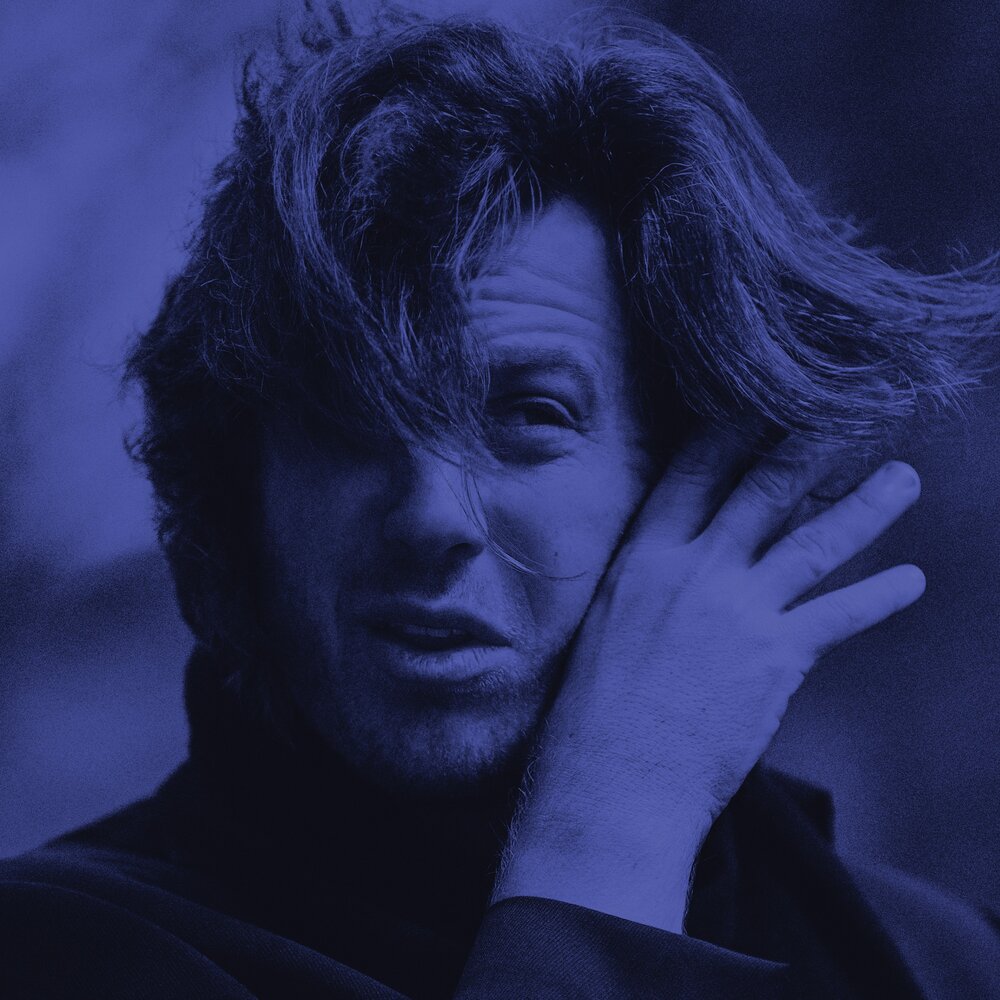
After indulging in Jack Ladder’s sizzling new Iggy Pop cover Shades, I found myself hungry for more good times and decided to dive back into Blue Poles, his most recent release from last year. Ladder is an Australian musician, a fellow Sydney-sider that has been kicking around the circuit for well over a decade. While I only stumbled upon his sultry persona in the last few years, I’ve been excited at the new paths he’s treading. And while we may have collaborated on one of my favourite music videos to date with the single White Flag, this album is one of the brightest gems from last year. Recorded at Oceanic Studio in Sydney and mixed in the City of Angels, this nine-track LP has such a tongue in cheek sensibility, filled with laconic phrasing and irreverent charm. I dare you to listen and not feel the better for it.
|
|
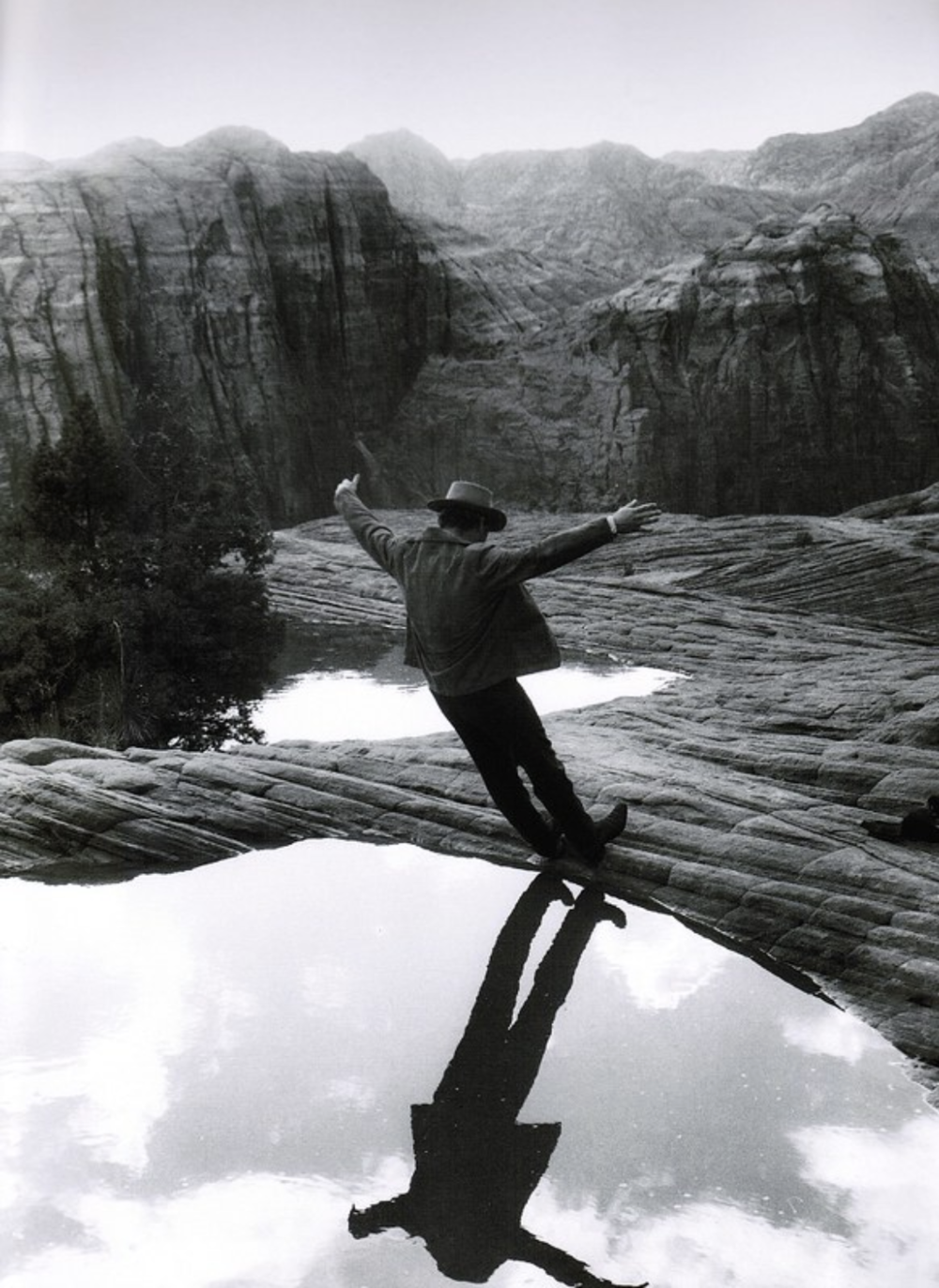
It’s the fiftieth anniversary of Butch Cassidy & The Sundance Kid this week and I couldn’t help getting all soppy at the thought that its creator, William Goldman, is no longer around to celebrate this milestone. After learning of Goldman’s passing late last year at the ripe old age of eighty-seven, I was compelled to re-watch this classic from my childhood. I must confess that I was full of trepidation before viewing, concerned that I’d fall asleep or worse, pick up my phone. By golly the movie hooked me right out of the gate. For my money, the script is genuinely perfect and is still lauded as untouchable. Watching Paul Newman and Robert Redford bring these handsome outlaws to life remains a genuine delight. Goldman enjoyed a curious career in Hollywood. A novelist out of college, he stumbled upon the world of screenwriting by accident, penning his first script at age thirty-three after Cliff Robertson, a Hollywood heavyweight, sought to adapt one of his first novellas. I read Adventures in the Screen Trade, his unofficial autobiography on a life in show business, earlier this year and savoured his frank confessions. Goldman went on to become a beacon in the industry, celebrated for gifting Princess Bride to the world and becoming a mentor to many future A-list scribes including Scott Frank, Tony Gilroy and Aaron Sorkin who dissects Goldman’s seminal masterpiece in this recent episode of The Rewatchables. His legacy will live on for many years to come.
|
|
Thanks for tuning in. If you like this newsletter and want to support it, forward it to someone who’d like it. Until next time. Xo
|
|
|
|
|