|
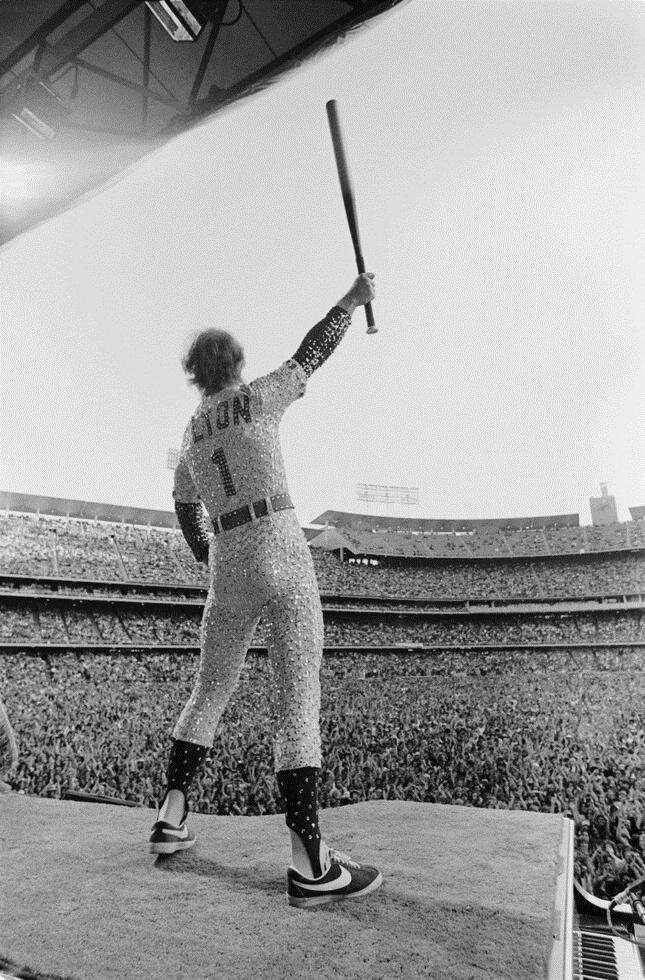
Elton John knows what lies at the end of the Yellow Brick Road and much more! $$PLAIN_TEXT_PREVIEW$$
MY FAVOURITE THINGS | Don’t Let the Sun Go Down on Me
|
“There aren’t many rules in rock and roll, but there are some: follow your gut musical instincts, make sure you read the small print before you sign and, if at all possible, try not to form a band with someone who fucks chickens up the arse and decapitates them.”— ELTON JOHN
|
|
I’ve been on cloud nine ever since we released Popcorn Therapy into the world just under a fortnight ago. It’s been so exciting to have friends and family sending in compliments of various kinds after listening to the first few episodes. We live in one hell of an era. Never before have we had so many opportunities to publish our creative dreams and desires without even leaving the hacienda. In the case of this podcast, I had a desire to turn my conversations with Kane Senes (my co-host and fellow filmmaker) into a regular occurrence by recording and publishing them on the world wide web. If you haven’t had a chance to listen you can find the first few episodes here. Please subscribe and be sure to rate and review if you like what you hear! Xo
|
|
When I caught my pops having a right ol’ giggle to Elton John’s autobiography in Bangkok, I grew all excited to get in on the good stuff. There is something so honest and life-affirming in the way the rock and roll icon shares his most intimate moments on the page. From his earliest confessions, it was crystal clear that this working-class lad from the outskirts of London had put his unbelievable successes and monumental missteps under the microscope. It was so exciting to get a window into Reg Dwight’s formative years (he would officially change his name in the mid seventies) and his personal astonishment when his self-titled LP from 1970 (his second release) brought America to its knees. I never quite understood just how powerful the pop icon became, topping the charts year after year with subsequent albums, all before the age of thirty. Like my Papa, I couldn’t help guffawing at so many of John’s various mishaps, larger-than-life stories littered with titans of the twentieth century. I love how uncompromising he is in shining a light on the realities of being a superstar and the tragic side-effects of living in a glass castle above the world. Tragic encounters with Elvis Presley (he resembled a bloated life-preserver) to Michael Jackson (whose face was literally falling off at the dining table) reminding us that the cover of the book certainly ain’t everything. While I’ve been unsuccessful in tracking down a copy of Tantrums and Tiaras, a documentary produced by John’s longterm partner David Furnish from the late nineties, I won’t stop until I come upon a second-hand copy. For the cliffnotes version, have a listen to Jake Brennan (host of Disgraceland) interview Sir Elton as part of iHeartMedia’s new podcast here.
|
|
Confession time. I’ve had ants in my pants for this film ever since diving into an A24 podcast conversation with Josh and Benny Safdie in conversation with Paul Thomas Anderson at the tail end of last year. Both filmmakers having directed Adam Sandler in (his only) hard-hitting dramatic roles. There is something about the way the Safdie’s consume culture in order to better comment on it within their films. After ingesting a fascinating New Yorker profile on the duo by Kelefa Sanneh, I was astounded by their compulsive need to bring their wildest whims to life by any means necessary. The brothers feel like kindred spirits of mine, with their predilection for fly-on-the-wall filmmaking. Like them, I have made (most) of my films and music videos sans permits all around the world. As the brothers have been quick to confess, Uncut Gems has been their Holy Grail for as long as they can remember, a story that consistently evaded them yet never strayed far from their dreams. The final product, a deeply disconcerting journey into the inner life of Howard Ratner (Sandler), a middle-aged jeweler and full-blown gambling addict is not for the faint of heart. It’s so hard to watch someone making so many ugly choices, self-sabotaging his tug-boat in full view of an approaching storm. All the same, I couldn’t help caring for this pathetic excuse of a human being. A father that fails to shower his children with love and support, a husband that lies through his teeth to his wife (Idina Menzel) while openly engaging in an ongoing affair with a twenty-something employee (masterfully brought to life by first-timer Julia Fox). Watching the final scene with Ratner, a wide-eyed sweaty excuse of a man jabbering to himself while screaming at a glowing LCD screen is the ultimate marriage in farce and ecstatic truth. A moment where we see the tipping point between dreams and full-blown insanity. If you savour(ed) this kind of madness be sure to check out Goldman vs. Silverman, a new short film featuring the Sandman as an embittered street performer. In typical Safdie fashion it’s absolutely bonkers.
|
|
The opening pages of this 1996 investigative book by Nancy Griffin and Kim Masters left me smacking my lips with a certain amount of glee. The hard-hitting non-fiction title dives into the personal and professional lives of Jon Peters and Peter Guber, two hot-shot producers and studio execs who shook Hollywood to the bone. Their partnership, forged in the waning days of the nineteen-seventies, would come to define the excess and exuberance of the eighties. They nurtured the image of high-flying bad boys, men who drove the fastest cars and dated the most beautiful starlets and somehow managed to let some other schmuck pick up the tab. They would come to popularize the ‘greed is good’ mantra, beating Gordon Gekko to the punch many years before Oliver Stone’s 1987 masterpiece Wall Street. No matter the venture, there was always a long list of casualties left in their wake, victims whose various protestations never seemed to shake their subsequent successes. It reminded me of Julia Phillips sensational tell-all memoir You’ll Never Eat Lunch in This Town Again (a must read for any film freaks!). The veteran producer — the first woman to win an Academy Award as a producer in 1973 — paints such a vivid picture of the 1980s, of Hollywood’s most prestigious bistros littered with bearded men all blowing smoke up each others asses. This portrait sums up Peters and Guber to a tee, two professional hucksters who finagled their way into running a studio off the success of two run-away hits (Rain Man and Batman) in the late eighties. Say what you will of the iconic duo but they were ace packagers; brash innovators who always knew how to spin the truth in their favour, visionaries who understood the importance of the razzle-dazzle — qualities that are now part and parcel of 21st Century Hollywood. “They’re used car salesman. Occasionally one of their cars wins a race, but most of them don’t make it out of the lot.” — Anonymous
|
|
Ever since I profiled the late Prince Rogers Nelson in this newsletter last year, I’ve found myself diving into his back-catalogue with a new sense of fascination. When I stumbled across this four-part series, released in conjunction with the fortieth anniversary edition of the 1999 album (complete with previously unreleased recordings) I knew I’d struck gold. The podcast, hosted by Andrea Swensson, a Minneapolis-based journalist and radio-host, features a range of talking heads, many of whom worked side by side with Prince in and out of the studio. While the opening minutes of episode one were a little dry, I found my ears pricking up as Swensson unveiled a fascinating story surrounding a 1981 show that Prince and his band played at the LA Coliseum. Hosted by Bill Graham, the legendary rock promoter and owner of the fêted Fillmore auditorium in San Francisco (and Fillmore East in NYC), the three-day musical event featured some of the world’s premiere talent and would prove a seminal turning point for the Minnesotan mogul. Invited to open for the Rolling Stones, Prince was subjected to an audience who made it clear that his brand of flamboyant funk and R&B had no place on that stage. Pelting him with bottles and haunting slurs, it forced Prince off-stage and back into the studio where he would devote much of the ensuing winter to putting his anger to work. The output of these sessions, much of which was recorded in a remote Minneapolis outpost, would provide the substance for his next three albums. I lapped up this story as a parable for life; channeling our angst and energy into productive places is how we learn to transcend the ordinary.
|
|
It’s rare for an artist’s discography to bring about a case of déjà vu yet Billy Stewart’s first album did just that for this sentimental sucker. I stumbled upon the Washington D.C. native while tucking into the formative years of Elton John’s autobiography. A teenage John would cut his teeth playing in the backup band Bluesology, supporting some of America’s most talented R&B and Soul acts from the mid to late sixties. As John put in his 10,000 hours (s/o Malcolm Gladwell!), he came to understand the art of holding an audience’s attention and delivering a performance that sunk under the skin. John goes out of his way to bend the knee to Stewart, who was discovered playing keys at the age of sixteen (by Bo Diddley no less!) and soon signed to Chess Records. He was a hulking beast of a man whose stage presence left audiences humbled and whose nimble voice left you feeling recharged in the best kind of way. I Do Love You, recorded off the back of several successful singles, brought him to international fame. Unfortunately his time in the spotlight was cut short after a fatal car accident in 1970. The talented crooner would never get to see his former keyboardist become the biggest pop star of the nineteen-seventies, passing over to the other side at the tender age of thirty-two.
|
|
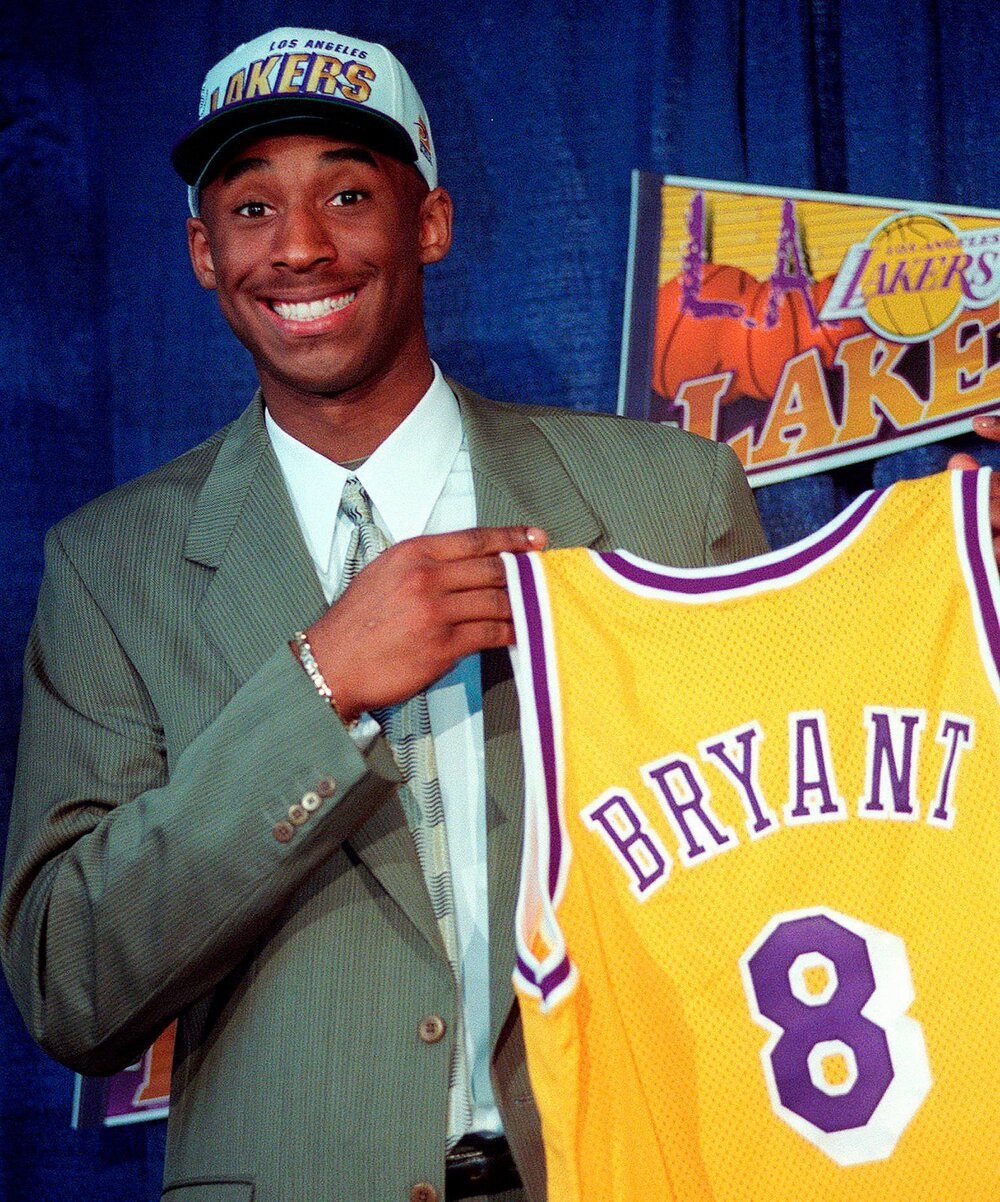
Kobe Bryant’s passing was the first bit of news to litter my home screen after touching down on a red eye flight from Bangkok last week. I had no connection to the basketball great, had never devoted more than fleeting interest in his life and yet I found myself falling into a cloud of despair all the same. After recording Episode Four of Popcorn Therapy this week, I came to understand where that sadness stemmed from. Kane Senes, my partner in crime, regaled me with countless stories of the basketball great and his legacy on the sport. He was a fierce competitor, a man who always brought 110% to everything he did and whose prodigious work ethic inspired some serious tensions with his teammates and the industry at large. Yet his hunger for ever greater success forced his home team to raise the bar when Shaquille O’Neal departed for Miami in ‘04. Only weeks before Bryant’s passing, I’d stumbled back on his 2017 short film ‘Dear Basketball’, (for which he won an honorary Oscar) streaming it on YouTube. There is a real innocence to the four minute film and something so profound about it coming from a veteran of the court, someone had seen the very best and worst of the game. All the same, Bryant never lost that passion that had ignited him as a child. The Black Mamba didn’t know how to stop. He only knew how to strive for greatness. “Kobe didn’t care about night life or anything else, he only had one interest. His only focus was to be the best that he could be.” — Del Harris
|
|
Thanks for tuning in. If you like this newsletter and want to support it, forward it to someone who’d like it. Until next time. Xo
|
|
|
|
|