|
Why The Nightingale is essential viewing in our current moment and much more! $$PLAIN_TEXT_PREVIEW$$
MY FAVOURITE THINGS |I Love You More Than You’ll Ever Know
|
“I was really looking at the violence in modern society and seeing how violence is often the first response to a problem. And I was feeling really heartbroken about that and I wanted to talk about the possibility for love and compassion and kindness in very dark times.” — JENNIFER KENT
|
|
My apologies for the week’s delay. I’ve been dragging my feet after driving back from Byron Bay, a trip that celebrated my lady’s birthday together with a confirmation green-light for my PhD (two more years and I’ll be an undeserving Doctor!) There is something so important about escaping to your happy place, finding solace from the daily grind. And while time away helps to puts our choices in perspective, it also helps us to prepare for the road to come.
|
|
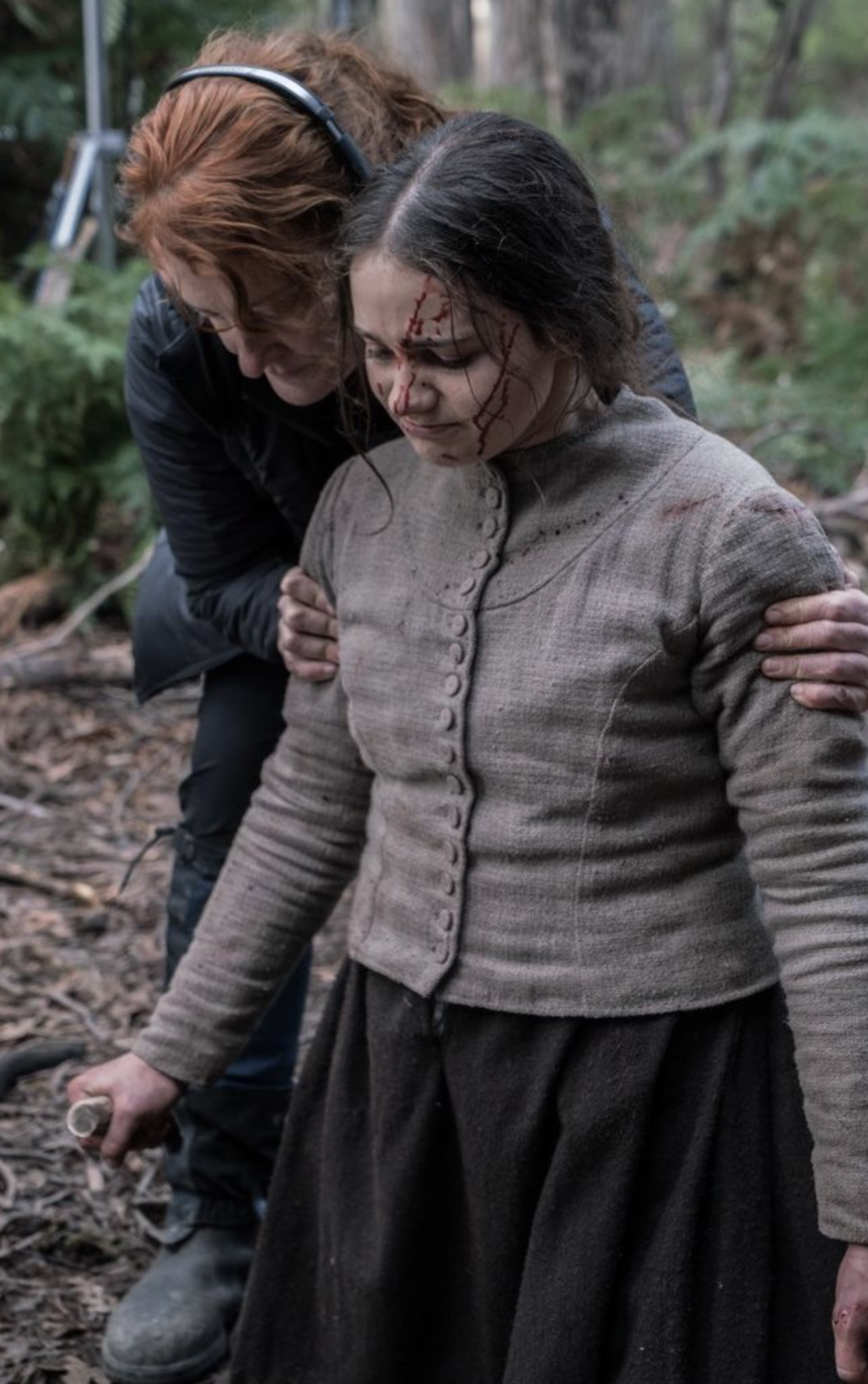
To say that this film found its way under my skin is an understatement. In fact Jennifer Kent’s latest film, set in 1820s Tasmania, has brought the history books to life and helped me to appreciate the pain and suffering that came with the consummation of this stolen land. I was ignorant to the fact that the state, once known as Van Diemen’s Land, was Australia’s largest penal colony and its most brutal. Kent imbues so much honesty into the story of an Irish convict, a young woman (Aisling Franciosi is incredible!) who seeks vengeance for the brutal murder of her family at the hands of English oppressors. While I was saddened to read that the film failed to perform at the box office, I will continue to encourage friends and strangers to seek it out. Kent’s unsparing examination of the crimes and genocide against the Indigenous people of my homeland reinforces the power of the cinematic medium and its ability to bring the past hurtling back into our present moment. A must watch.
|
|
For anyone that is a believer in the power of self-change, Jay Chetty’s conversation with Dr. Joe Dispenza is worth every minute of your time. Where once it was socially accepted that the brain was set in stone by our thirties, we now know that our mindset can be re-wired with the help of meditation and other positive practices. In order to achieve this we must first stop blaming the external elements in our lives and put ourselves under the microscope. While it sounds counterintuitive, we must go through a process of unlearning, to ensure our mindset is defined by visions of the future and not confined to memories of the past. When we dream big dreams, invest time in touching and tasting this future self, we can effectively change our personality from the roots. “If you take care of the minutes, the years will take care of themselves.” - Tibetan saying
|
|
Revived from the archives and based on the long running detective series by Erle Stanley Gardner, HBO has given birth to one of the most fascinating examinations of grief and trauma. Matthew Rhys helms the title role as a cynical detective in Depression-era Los Angeles that finds him investigating a tragic case of infanticide. As I made note in my glowing review of Marielle Heller’s A Beautiful Day In The Neighbourhood, I have developed a real soft spot for the English native who commands the screen in this period adaptation. I had never heard of Gardner and was blown away to discover that the Massachusetts native was the best-selling author of the twentieth-century at the time of his death. As for HBO, the content creator continues to put the competition to shame with such intricate storytelling, impeccable casting and glorious production value.
|
|
For those looking for more well-defined answers to the recent turmoil in the US, this long form article by Ta Nehisi Coates is a sobering education. While I was decidedly confused by the whole notion of reparations — how do you come up with a monetary sum that redeems 400 years of harrowing injustice? — I soon had a much clearer understanding of the whole argument. Coates paints the history of African Americans with such care and dedication that he offers a digestible history lesson for one and all. While it is incredibly difficult to understand just how deep this rabbit hole goes, it is a searing indictment of systemic racial injustice. More importantly, Coates infuses his argument with so many prescriptive antidotes, tangible solutions to right the wrongs of prejudicial hatred. For those that enjoy learning by listening you can find an audio recording of the article here.
|
|
I was turned onto this wonderfully immersive accounting of John Huston’s 1951 release of The Red Badge of Courage while tucking into the opening of Julia Salamon’s The Devil’s Candy last year (a phenomenal inside look at the making of Brian De Palma’s Bonfire of the Vanities!). Lillian Ross, a staff writer at the New Yorker, shadows Huston and his team through the entire process from development to exhibition and offers a fascination look at 1950s Hollywood. As film critic Richard Brody notes in this retrospective piece, Ross sought to better understand the artistic process in the making of a studio film and more importantly how a critically-acclaimed director like Huston can imprint his unique voice on a commercial venture. I found myself guffawing in delight at so many moments between now immortalized actors, directors and movie moguls at the height of Tinseltown’s fame and never wanted it to end. A filmmaker’s wet dream.
|
|
I wasn’t expecting all that much from Tim Ferriss’ latest chat with Hugh Jackman but soon found myself listening in with genuine interest. It was so surprising to hear a superstar like Jackman converse with so much passion and curiousity for life. For while the advent of social media has made the lives of celebrities as commonplace as kitty cat memes, it is still a rarity for A-listers to bare their soul with the world at large. I love the fact that Jackman works with life coaches, individuals who ensure that the Sydney native never gets too comfortable, pushing him to continually face his fears. As Jackman makes plain, we should all have the courage to turn our weaknesses into strengths. Especially when we’re at the top of the crop.
|
|
I got turned onto Sarah Cooper’s satirical clips by way of Jacqui Lewis — my meditation teacher and founder of The Broad Place— who showed Billie and I some of Cooper’s recent posts over breakfast. After watching Cooper on Jimmy Fallon, I’m even more impressed at the comedian’s ability to turn lockdown lemons into creative lemonade. As Cooper shares, the advent of Quarantine forced the Jamaican native to get creative from the confines of her apartment. With the incessant daily updates from POTUS as part of his inane COVID taskforce, a lightbulb soon sparked with her output going viral by way of TikTok. Cooper’s impressions of the 45th President are poignant, especially when translated through the female gaze, and shine a light on the profuse bullshit emanating from the leader of the free world. It’s also given me hope for the future of satire.
|
|
I don’t remember how I came across All The Right Moves but am grateful for tucking into this 1983 sports drama. Set in a Pennsylvanian wasteland, it follows the life of a young defensive back (a very young Tom Cruise) and his journey to escaping his steel town by way of a football scholarship. There is something so potent about this coming of ager, especially when you consider the world in which it’s set. One can only image what the town of Ampipe, built and named in honour of a corporate monolith, would look like today. The film is helmed by Michael Chapman, one of the finest cinematographers from the 1970s with films like Hal Ashby’s The Last Detail, Martin Scorsese’s Taxi Driver and Philip Kaufman’s The Wanderers. The celebrated DP delivers a curious look at small-town America in his directorial debut and captures Cruise’s charisma in all the right ways.
|
|
I’d completely forgotten about an article I submitted to Medium early last year, and which was only published a couple weeks ago. Re-reading through was surprisingly enjoyable and left me smiling in all the right ways. It helped me to retrace my footsteps over the past five years, to accept the rollercoaster that has led me to this present moment and the choices that helped to heal over my open wounds. It’s no easy thing to admit when we’re broken and even more difficult to do anything about it. Yet when we have the wherewithal to put ourselves under the microscope, we open ourselves up to a whole new way of receiving and accepting the world around us. So if you can get past the header you might just find something useful to take with you.
|
|
In the wake of the late great Joel Schumacher passing on last week I found myself streaming his 1985 coming of age dramedy of the iTunes store. I’d never seen this film, which I’d always equated as falling within the John Hughes universe (Sixteen Candles and Pretty in Pink) but was blown away by the underlying message. Following a group of uber wealthy university kids from the DC suburbs, it offers a curious look at their lives as they face the prospects of adulthood and responsibility. I was captivated by Schumacher’s portrayal of their underlying relationships and found his choice of casting — Emilio Estevez, Rob Lowe and Ally Sheedy are superb — to be right on the money. Carl Kurlander, the film’s co-writer, celebrates the thirty-fifth anniversary of the film’s release with this touching tribute, explaining that he was once Schumacher’s assistant and got his big break when his boss optioned and adapted his spec script into a studio hit.
|
|
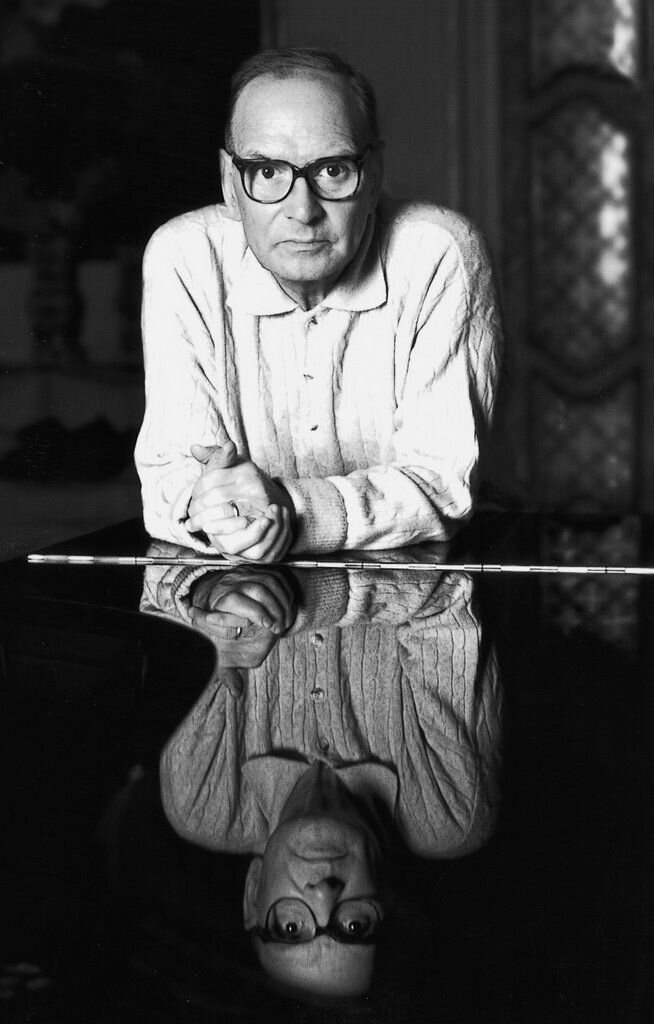
It’s hard to express just what the musical output of Ennio Morricone has meant to me as a filmmaker (and more importantly a film-geek). I still remember coming across a greatest hits of the Italian composer at the age of sixteen and coveting the CD’s contents for many years to come. There’s something so special about discovering certain treasures at a formative age. Sergio Leone’s Spaghetti Westerns, specifically his Dollars trilogy in the mid nineteen-sixties, was one of those defining moments. And while the visual language in those films still stands as a testament to the power of filmmaking, they owe so much to the definitive sound of Morricone’s orchestrations. Films like Terrence Malick’s Days of Heaven, Brian De Palma’s The Untouchables and Barry Levinson’s Bugsy (woof!) are indebted to his ineffable touch. You can immerse yourself in this playlist from the late maestro here.
|
|
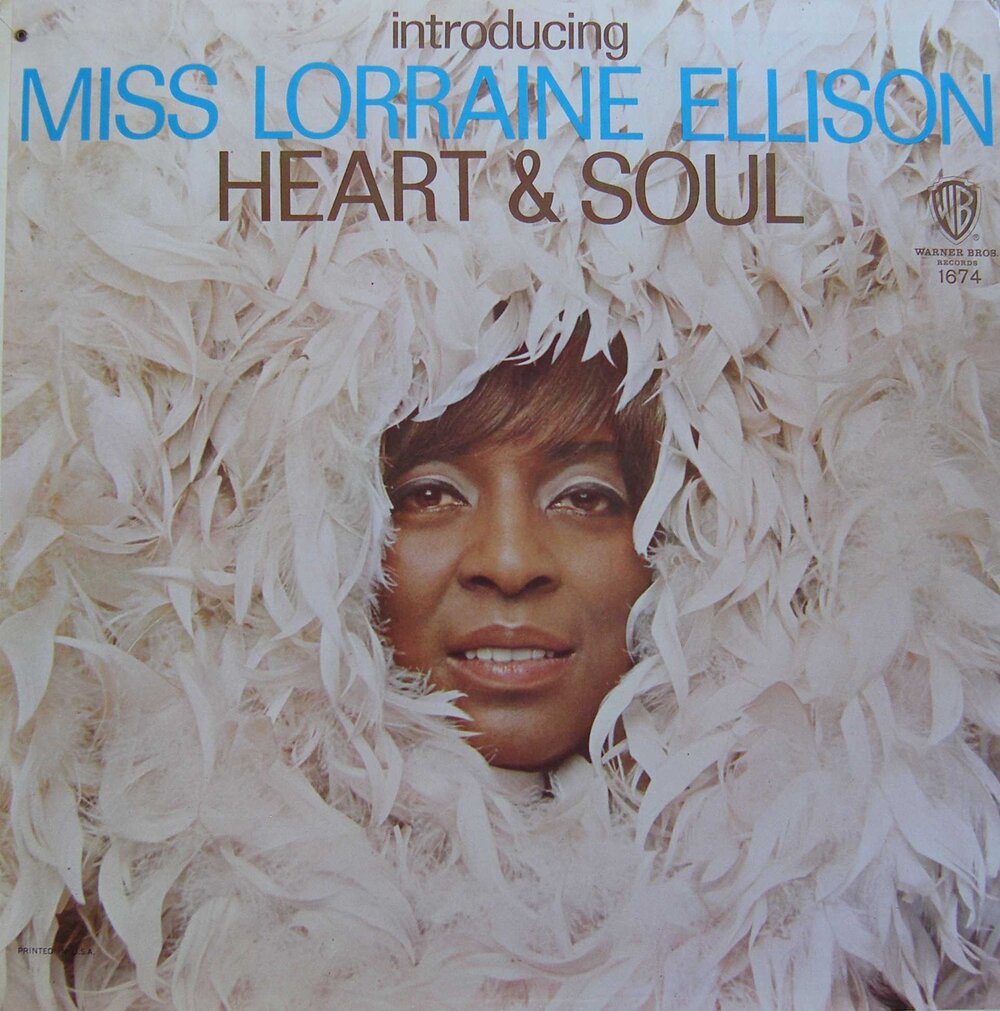
Al Kooper’s memoir, Backstabbing Bastards and Backstage Passes, turned me onto the indelible voice of Lorraine Ellison and this heartfelt 1966 LP. While many of the orchestrations have failed to stand the test of time, Ellison’s voice cuts through and tugs at the heartstrings. Ellison (née Marybelle Luraine Ellison) was born in Philadelphia and started out as a gospel singer before transitioning to R&B in the mid sixties. Listening to Ellison breathe life into this album, produced by Jerry Ragovoy, is something to behold, her voice cutting through with impassioned force. And while the Pennsylvanian native failed to stand as tall as celebrated contemporaries like Aretha Franklin or Esther Phillips, her output serves as a testament to her indelible charisma.
|
|
Thanks for reading. To show your support, forward it to someone who’d like it.
If you’re seeing this newsletter for the first time, you can read previous issues and subscribe here.
|
|
|
|
|