|
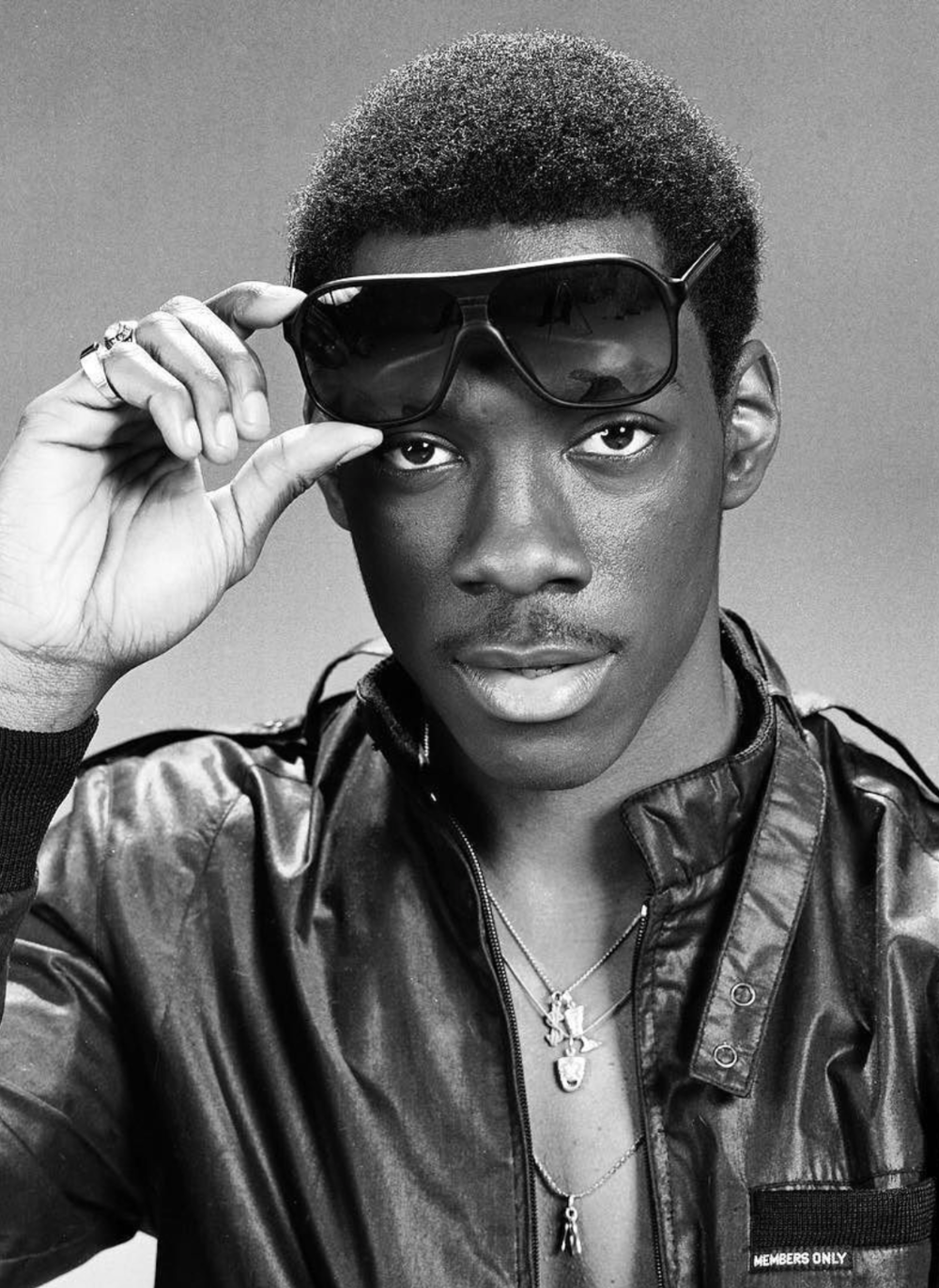
Eddie Murphy knows how to keep the fire burning and much more! $$PLAIN_TEXT_PREVIEW$$
MY FAVOURITE THINGS
Flyin’ High (In The Friendly Sky)
|
“All men are sculptors, constantly chipping away the unwanted parts of their lives, trying to create their idea of a masterpiece.” — EDDIE MURPHY
|
|
Blame it on the Vedic meditation (or the fact that I’m constantly finding new grays in my bushy mane) but I’ve been growing more and more adept at indulging my inner voice, following its constant pronouncements much like the directions on Google Maps. After five long years I was compelled to lop off my curly locks and while it was a rather sullen affair (I’m so vain) I’m feeling real good about the future.
|
|
I’ve been a fan of Eddie Murphy ever since I learned how to tie my shoes. There was something about the way he walked and talked that made me stop and listen. The way I saw it, he had the secrets to the universe and I was a hungry little vegemite eager to pick up what Murphy was putting down. Beverly Hills Cop, 48 Hours, Trading Places, Coming To America, Bowfinger. These films defined my childhood. While Murphy has been MIA for much of the twenty-first century, his latest venture, debuting on Netflix a couple weeks back, is a revelation. Centered around the life of Rudy Ray Moore, an acclaimed African-American filmmaker from the 1970s, it documents his coming of age and subsequent rise to favour. Murphy dives so deep into this character, a middle-aged man from the wrong side of the tracks, that I forgot I was watching a movie. Moore was a jack of all trades, a born hustler who yearned to prove to his deadbeat father that he was more than a hopeless piece of shit. While I’ve never known such pain and anguish, I know what it means to believe in something with all your heart. I know how it feels to have to prove yourself to an indifferent world and come out second best. Murphy, with the help of Wesley Snipes (who produced and championed this film for over a decade) have successfully created a living, breathing testament to the power and process of a dream come true.
|
|
I got switched onto Cal Newport’s book after diving into the second episode of History Vs, a conversation that explores Theodore Roosevelt’s masterful use of time and his insane levels of productivity. Downloading the audiobook onto my iPhone, I found myself flying through the early chapters. While initially wary of Newport’s minimalist philosophy, I must confess I’ve been subconsciously adopting many of his principles for a while now. Newport advocates a thirty-day sabbath from your digital toys, restricting any and all access to apps that consume your precious time in a given day. In the process, this detox allows us to become more mindful of how we interact with technology in order to understand how we’d like to better incorporate it into our lives. Ever since I deleted Facebook from my phone last year, I’ve been finding new ways to reduce my dependence on social media, disabling notifications and posting less often. As Instagram follows its parent company into a slow and gradual decline, I’ve found myself searching out new avenues to satiate my appetites. Sure, I still love having a good giggle to viral videos of household pets but on the whole my trust has been severed beyond repair. In many ways this debate reminds me of the food industry, namely the ongoing debate between fast food and farmers market. When we treat these platforms as tools that nourish instead of ones that simply satisfy our baser urges, we can learn to rise above the noise.
|
|
I went to the pictures with my folks this week to get my eyes on the incredible new biopic from Rupert Goold, a film that explores the tragic last act of Judy Garland. My knowledge of Garland’s life was limited to her turn as Dorothy Gale in the 1939 MGM classic The Wizard of Oz and if I’m being honest, I wasn’t expecting all that much from the outing. Boy was I in for a rude awakening. The film was electric, imbued with a heart and soul that makes you want to dive through the silver screen and give Garland a bear hug. To say Renée Zellweger shines in Garland’s bespoke heels is having a laugh. She disappears into the role with such immediacy that I was honestly concerned if she would ever make it out the other side. Kudos must go to newcomer Darci Shaw for breathing such truth into the adolescent Garland. Tom Edge (The Crown) did the impossible, cleverly interweaving Garland’s early years to help us comprehend the bigger picture of her childhood trauma. In fact Edge nailed the primal rule of good screenwriting. Establish your protagonist’s greatest fear and then put them in the eye of a storm. After some deep diving, I came upon this fascinating Vanity Fair article that explores a set of confessional tapes made by the former child star as she wallows in the pain and destitution of her final years (she wound up owing $4 million to the IRS). Goold paints such a searing portrait of the late artist and offers a sobering perspective on the true nature of stardom in Hollywood’s golden age. An instant classic.
|
|
I soaked up this incredible conversation with the one and only Ed Norton on The Bill Simmons podcast over the weekend and found myself humbled at how open and generous the Bostonian actor/director was about his experiences in the business. Norton has been a busy boy, hounding the talk shows, in advance of the release of his new baby, Motherless Brooklyn, this week. I had a general idea of Norton’s early years and his rise to infamy following the release of 1994’s Primal Fear but after hearing him speak on Here’s The Thing with Alec Baldwin I was amazed to discover his rich ancestry. Norton’s maternal grandfather, James Rouse, was a legendary real-estate developer who was revered for his charity and commitment to the community, devoting vast portions of his success to affordable housing and institutions for the less fortunate. Listening to Norton expound on his life to date made me realize how much the fifty-year old has followed in his grandpa’s footsteps. Norton is an actor’s actor, the type of talent that garners just as much love and admiration from his peers as the audience. I’m excited to get my eyes of the Jonathan Lethem (The Fortress of Solitude is one of favourite books!) adaptation when it hits theaters Down Under later this month. Just knowing it took TWENTY years for Norton to bring it to the silver screen (he optioned the galleys in 1999!) is reason enough to find out what kept the story alive.
|
|
After a busy morning running errands and taking care of business, I found myself at home on Saturday afternoon itching to Netflix and chill (get your mind out of the gutter). With our couch yet to arrive, my lady and I made ourselves comfortable on the hard-wood floor and pressed play on this new series. The show follows David Chang, a restauranteur and founder of the Momofuku chain as he wines and dines with a host of celebrities around the word. The opener features Seth Rogen and follows the pair around the pallid skies of Rogen’s hometown of Vancouver as they get high and stuff some delicious looking food down their gullets. I’ve never been a big fan of food shows but there was something so genuine about this one. To put it frankly, it transcends the woo-woo bullshit that often accompanies this style of reality television, instead capturing this Canadian seaport and its subjects with loving honesty. As I watched Rogen and Chang giggling incessantly over yet another scrumptious meal it dawned on me that we’re living in a new age. Never would a series have been able to get away with such innocent antics even a decade ago. While I’ve yet to indulge any further episodes I’m looking forward to seeing what other culinary delights Chang treats himself to.
|
|
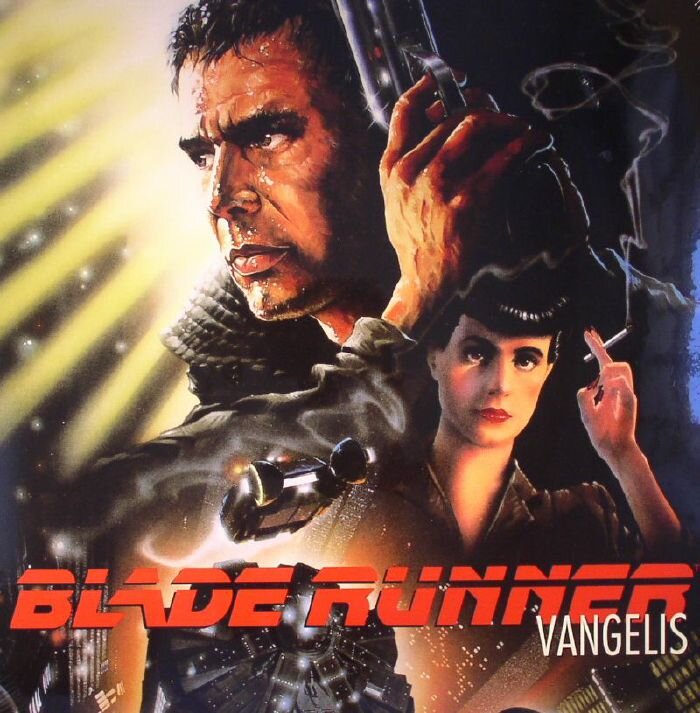
I put on the director’s cut of Ridley Scott’s masterpiece last week and was blown away to discover that the film’s dystopian setting was none other than November 2019! It’s crazy to think that we’re living in a present where once we dreamed of flying cars and replicant robots. I’ve been lucky enough to enjoy all known iterations of this early eighties classic and upon every viewing, I can’t help getting lost in the soundtrack. Vangelis, born Evángelos Odysséas Papathanassíou, was a lover of all things musical from an early age and quickly developed a reputation for moving to the beat of his own drum. After reading about his temperamental nature, I wasn’t surprised to discover that the Greek composer’s relationship soured with Scott and the studio during post-production, forcing Warner Bros to overdub the original orchestrations in order to release the OST. While its synth-heavy soundscapes more accurately define the nineteen-eighties than the present, the undercurrent of Vangelis’ orchestration is endowed with an indelibly human touch that continues to withstand the test of time.
|
|
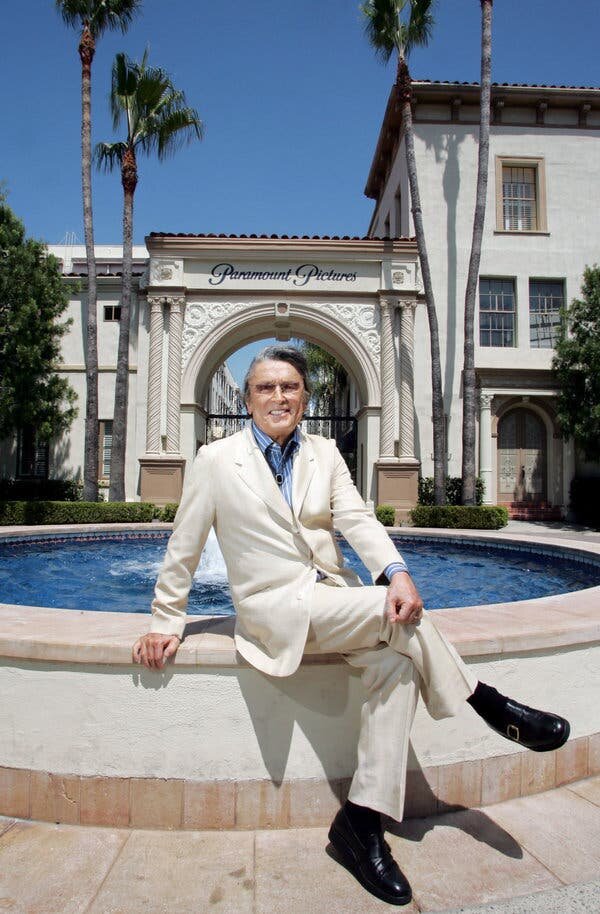
I was saddened to hear of Bob Evans’ passing this week at the ripe age of eighty-nine. Evans was one of those larger-than-life figures whose presence and reputation would come to define the rise of the New Hollywood in the late sixties and early nineteen-seventies. He was celebrated for a string of hits from Rosemary’s Baby and The Godfather right through to Chinatown and was lauded for bringing a whole new generation of storytellers into the fold. I was surprised to discover a different side to the notorious producer and former Paramount production chief in this sentimental op-ed piece from Peter Bart, a former studio exec turned Tinseltown reporter. Bart became one of Evans’ first hires after being tapped to run the ailing Paramount lot and would remain his loyal number two through much of the nineteen-seventies. As Bart tells it, Evans devoted himself to a life of hard work and virtue, a man who rarely drank or indulged in the wild life. It was his liberal use of cocaine, a drug that supposedly alleviated his back pain, that kickstarted his descent into murky waters. By the early eighties, the Hollywood heavyweight found himself embroiled in a suit of scandals and became a prime murder suspect during production on Francis Ford Coppola’s The Cotton Club, events that would come to permanently tar his white feathers. “Whatever indiscretions I’ve had in my life, I’ve paid for them pretty good.” — Bob Evans
|
|
Thanks for tuning in. If you like this newsletter and want to support it, forward it to someone who’d like it. Until next time. Xo
|
|
|
|
|