|
Nick Bryant gives the Aussie battler a good going over and much more! $$PLAIN_TEXT_PREVIEW$$
MY FAVOURITE THINGS | How Can You Mend A Broken Heart?
|
“The Australian is forcefully loquacious, until the moment of expressing any emotion. He is aggressively committed to equality and equal opportunity for all men, except black Australians. He has high assurance in anything he does combined with a gnawing lack of confidence in anything he thinks.” — ROBIN BOYD
|
|
A few days ago my missus and I flew to Tropical North Queensland for a few days of R&R. Treating ourselves to a breaky roll and coffee after dropping our bag we took a seat and watched the world go by. After a few mouthfuls I was lost in the white noise of chatter, the food hall crowds and loudspeaker announcements bringing about a sense of nostalgia I hadn’t felt in yonkers. Not only was this the first time we had flown together since the pandemic, it was the first time I’d glimpsed so many souls traveling with that curious mixture of excitement and languid indifference since the world shuttered. I’ve always been strangely at peace within an airport terminal, people coming and going, traveling the world in search of adventure, leisure or community. To me, this humdrum of noise represented a sense of promise. A return to a time we once took for granted.
|
|
Nick Bryant has gone and kicked another goal with this fascinating exposé on the land Down Under. I sought out a copy of Bryan’t book as a cultural reference point for my current screenplay but have found myself soaking it up with a sense of urgency. The BBC journalist has not only helped me to better understand my homeland but more importantly my unconscious attitudes to being an Australian citizen within the world at large. Bryant marvels our prolonged and progressive advancements, thirty years of uninterrupted growth and our ability to weather one global downturn after another. Yet he contends that our inability to pat ourselves on the back, to take credit for our hard work and communal achievements threatens our future success. As he makes plain, the parochial mindset of our political leadership and its inability to carve out a clear cut vision for the next fifty years could lead to our very undoing. This ABC chat with the author sums him up better than I ever could. “Australia is a lucky country, run by second-rate people who share its luck.” — Donald Horne
|
|
Serial killer docs are a dime a dozen these days but I’ve been quietly impressed by this immersive portrait on the eerily violent acts of the Nightstalker. Billie contends I’m only bingeing the four-part series for its nineteen-eighties backdrop of the City of Angels (she may well be right) but I’ve also found myself fascinated more by its dual protagonists. This series gives such an intimate look into the lives of Frank Salerno and Gil Carrillo, the two homicide detectives who were assigned this case at the outset and whose lives would be forever changed from its horrors. I can only imagine what it would be like to get one phone call after another in the dead of night. Uncovering clues amongst the fresh smell of death, retracing the steps of a murderer whose unrepentant actions taunt you at every turn. The emotional unravelling that comes from hunting this deeply depraved mind hits home and hints at a motion picture adaptation to come.
|
|
In these uncertain times I’ve found myself searching out old recordings from the past that imbue a sense of inner peace. Much like my write-up on the transportive music of Alice Coltrane last month, I’ve found great solace in the creative output of Takashi Kokubo. The Japanese electronic producer, whose extensive body of work can be found all over YouTube, has a wide array of albums to complement the modern landscape. Oasis Of The Wind is deeply inspired by the work of Hiroshi Yoshimura, one of the founding fathers of Japanese ambient electronic music. This 1993 release is a sonic balm to the endless noise of our modern world. It’s quiet earth-drawn soundscapes promising to imbue a genuine sense of calm and introspection. For anyone that enjoys this be sure to check out Yoshimura’s Green. “I wanted to make music the same way that Picasso paints.” — Takashi Kokubo
|
|
Streaming the 1971 Aussie classic as reference for my own outback thriller screenplay, I found myself transported to the red deserts of a forgotten world. A place where dreams go to die at the bottom of a beer glass. While I remember being scared shitless by its violently parochial cast of characters on my first viewing, I now felt a sense of compassion for their self-destructive choices. That Ted Kotcheff, a Canadian director, successfully translated the existential dread of Kenneth Cook’s acclaimed paperback of the same name makes it all the more prescient. What makes the film so timeless is its examination of the darkness that lives within all of us, a sobering reminder that we are no better than our neighbour no matter how much we might think otherwise. Perhaps it is this very fact that led Kotcheff, the director of First Blood and Weekend At Bernie’s to tout the production and reception of this Aussie masterpiece as his favourite film.
|
|
In the wake of its provisional ban of the 44th President, Facebook has announced its decision to form an independent body to rule on all matter of free speech. While the very idea is absurd in one light, it’s another thing altogether to think that this social platform now serves over three billion people (!!!). While Mark Zuckerberg has been applauded in some circles for outsourcing his company’s dirty laundry to this ‘supreme court’ I personally don’t buy this act of goodwill. Never before have nations been so helpless in the face of a corporate monolith. Any attempt to reign in the titan with tighter laws and regulations risking repercussions of various kinds. With Facebook wiping all news coverage across Australia last month, only to swiftly reverse itself following the government’s amendment to its media bargaining laws, Silicon Valley continues to prove that it’s above the law.
|
|
As I made clear in my last newsletter, there’s something so profound and off-colour about a Russian drama. A darkness that threatens to swallow you whole. In Andrey Zvyagintsev’s 2014 masterpiece, the Russian filmmaker takes aim at his authoritarian rulers in this tragic tale of familial decline. Its coastal setting — the film takes place in Teriberka not far from the Finnish border — with its drab architecture and neglected occupants brought back unsettling memories from my year in Bucharest. Watching this film in the context of Alexei Navalny’s recent imprisonment is all the more prescient. To think that Navalny, Vladimir Putin's most vocal critic, survived a brutal assassination attempt only to find himself behind bars upon returning home is a potent reminder that existential dread is a very real and present danger.
|
|
Adam Curtis, the acclaimed English documentarian, continues to challenge my preconceived ideas about the present moment with this compelling three-part series. Released on Valentines Day, it sheds light on our current moment by re-tracing our steps back in time. Curtis has an ineffable voice, one that feels so marginal and alarmist within the current system of power. Yet his calm and considered delivery, coupled with the imprinted BBC logo in the left-hand corner of the screen makes for a compelling argument. Curtis seemingly pick up where he left off within his 2002 The Century of the Self, an examination of the rampant individualism that came to prominence over the last one hundred years. The Dartford native picks at the same scab almost twenty years on, interweaving a curious array of charismatic personalities from across the globe in a powerful indictment of the establishment.
|
|
Listening to The Daily’s breakdown on the ongoing trial of Paul Rusesabagina in Rwanda left me feeling down in the dumps. The Rwandan native, made famous for his depiction within the 2004 Hollywood hit Hotel Rwanda (as portrayed by Don Cheadle), has now drawn the ire of the country’s long running leader Paul Kagame. What was so startling about Rusesabagina’s story is the fact that the Western world is not only complicit in his celebrity but his persecution at the hands of an authoritarian government. A re-watch of the Hollywood hit with my kid sister last week made the story no less palatable. That the genocide of innocent men, women and children took place with the eyes of Democracy firmly fixed upon it serves as a chilling reminder that racial prejudice is alive and well.
|
|
For all its sentimentality, I found myself drawn to this meditative road drama set in eighteen-seventies Texas. Tom Hanks leads this redemptive period drama in the guise of a former Confederate soldier and bankrupt newspaperman who makes his bread travelling the Texas pan-handle reading the news to its local citizenry. While its message is avidly potent in the age of fake news, it speaks to a more urgent notion concerning the power of stories to satiate our anxious minds and draw us together. Watching and reflecting on this beautiful film has taught me the power of gratitude and resolve. To accept just how good I’ve got it, irrespective of a global pandemic. Reading the screenplay, penned by homegrown talent Luke Davies alongside director Paul Greengrass, a reminder that a story’s ability to captivate is born on the page.
|
|
James Nestor’s Breath: The New Science Of A Lost Art is the first educational tome to effectively change my habits overnight. The application of sleep tape, administered over a section of the mouth, cancelling out my excessive mouth breathing (and dreadful snoring). As the California native makes plain, the secret to a life well lived extends well beyond our diet or exercise routine. In order to enjoy a long and productive innings, Nestor contends that we need to shut our pie-holes and start breathing through our nose (i.e we need to start breathing right). What makes this book all the more revealing is that Nestor’s foundational discoveries come not from the Western medical community but the texts of ancient civilizations. That the advent of industrialization and the introduction of softer foods also resulted in the collapse of our strong jawline and shoddy teeth might just help to explain why the medical community has been curiously tight-lipped. “If I had to limit my advice on healthier living to just one tip, it would be simply to learn how to breathe better.” — Dr. Andrew Weil
|
|
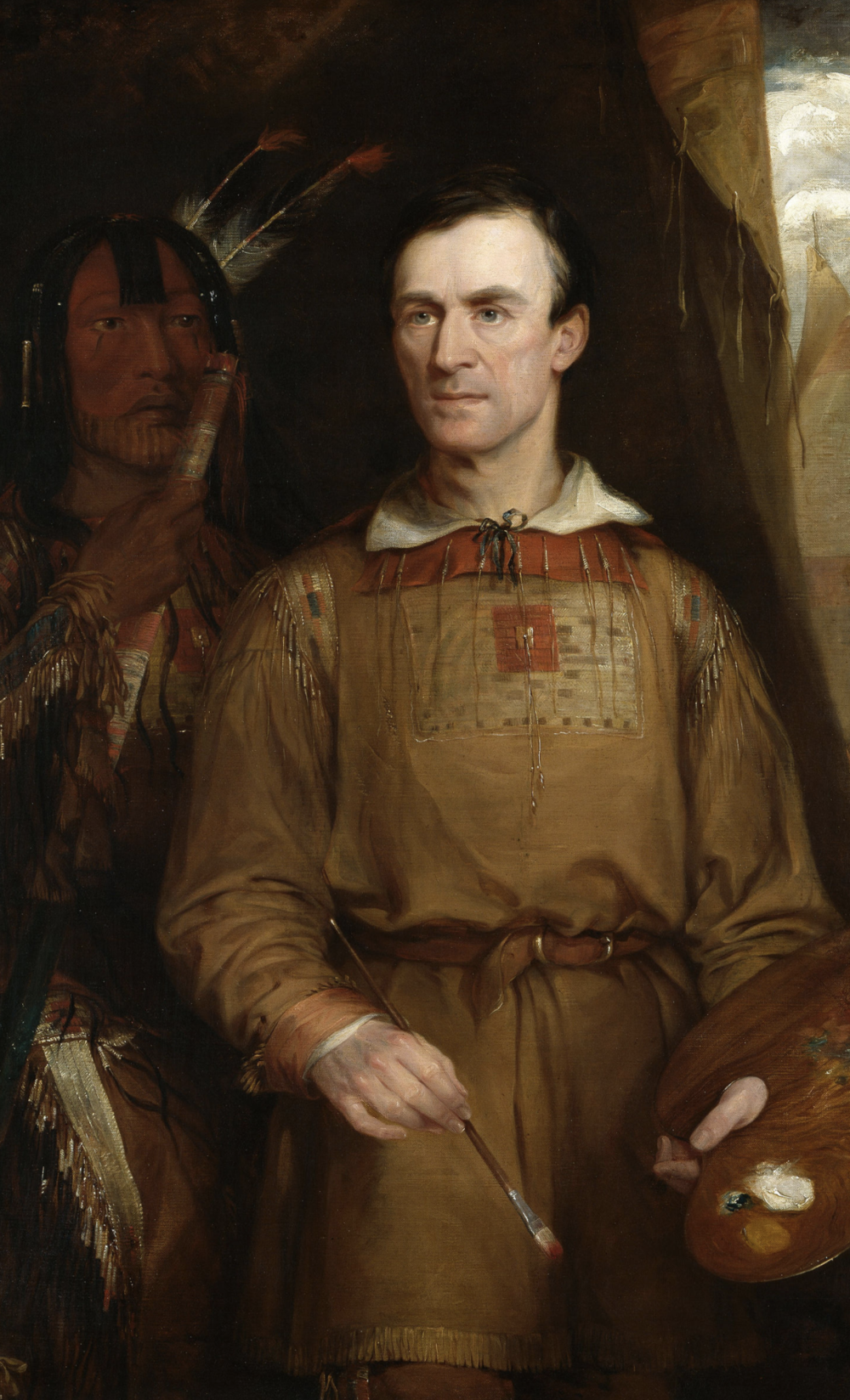
James Nestor turned me onto the talents of George Catlin, a man who abandoned his law practice to dedicate himself to the arts and humanities. It’s Catlin’s brass cojones that stay with me, his ability to journey into the great unknown of the wild west in search of a greater understanding for his homeland and its native occupants. While his legacy has come into question with the passage of time, his extensive body of work cultivated from years spent in the company of Native American tribes went a long way to re-kindling a sense of respect for the ‘red-man’. I personally find so much to savour in his portraits of warriors and witch-doctors, many of which would soon succumb to extinction at the hands of the white man. Catlin’s journeys also led him to publish The Breath Of Life, a book instructing his contemporaries on the power of nasal breathing to heal mild afflictions and enjoy a more fulfilled life. “The very use of the word savage, as it is applied in its general sense, I am inclined to believe is an abuse of the word, and the people to whom it is applied.” — George Catlin
|
|
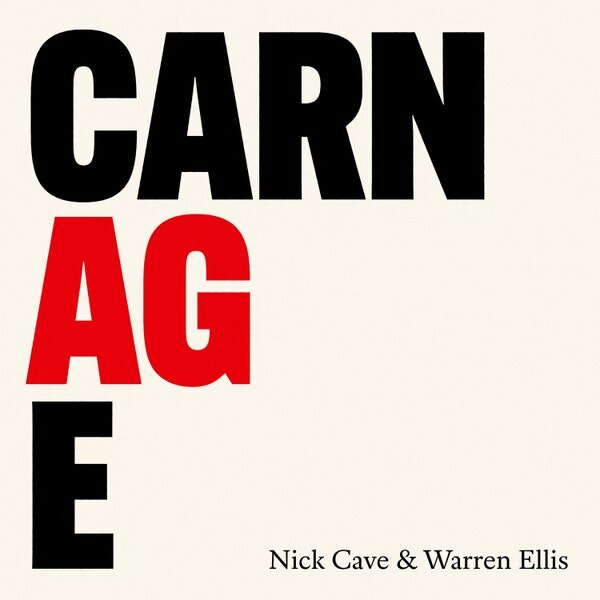
A catch-up coffee with my brother Jack Ladder up in the Blue mountains (on a particularly sullen morning) last week turned me onto Nick Cave’s newest release. I was caught completely unaware of his latest debut and found myself caught in its vise-like grip upon first listen. The album shape-shifts, pulsating and stretching itself at times before cowering in the dirt. Much like Cave’s writing style in his intermittent newsletter The Red Hand Files, a curious emotional blend of the sacred and the sardonic can be found within this album. There is a real sense of being transported into a dream-like realm, lyrics that push you face-first down a rabbit hole of darkness and desperation. The end result is at once sordid and sublime and has led me to lock it off on repeat.
|
|
Thanks for reading. To show your support, forward it to someone who’d like it.
If you’re seeing this newsletter for the first time, you can read previous issues and subscribe here.
|
|
|
|
|