|
What Mary Shelley teaches us about trauma and much more! $$PLAIN_TEXT_PREVIEW$$
MY FAVOURITE THINGS | I Can See Clearly Now
|
“My dreams were all my own; I accounted for them to nobody; they were my refuge when annoyed - my dearest pleasure when free.”— MARY SHELLEY
|
|
My lady and I have been busy moving house over the last fortnight which accounts for my prolonged radio silence (sorry about that). The whole process, while chaotic, has also proved strangely cathartic. As the boxes began to clear in our new home a curious feeling began to dawn on me. Our true nature only materializes when we put ourselves in the mouth of discomfort. These moments of upheaval offering a comforting reminder that we are resilient and adaptable beyond measure.
|
|
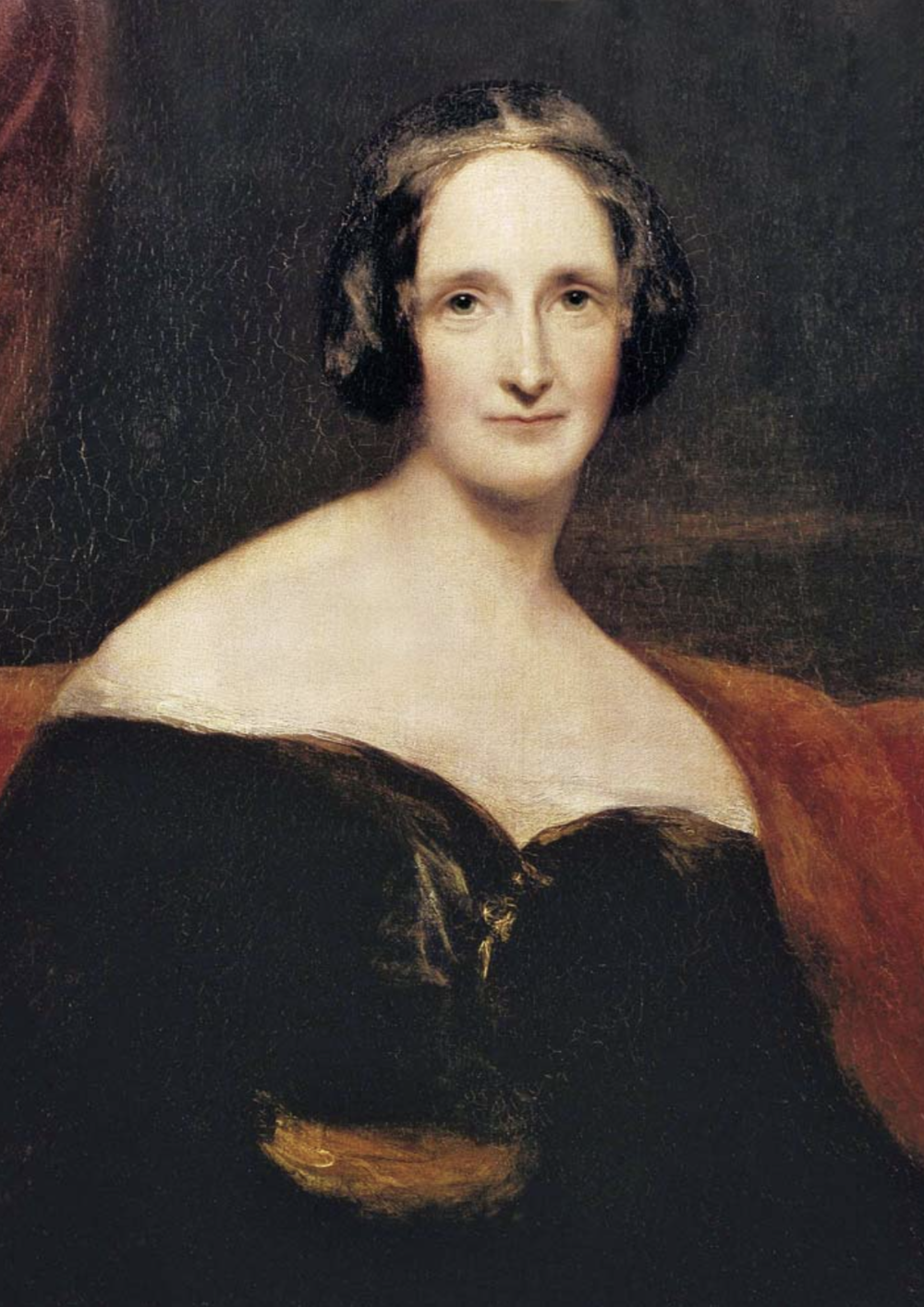
Haifaa al-Monsour’s tender biopic offers a particularly moving examination of Mary Wollstonecraft Shelley. Not only did the English writer give birth to one of the most celebrated novels of all time but she wrote Frankenstein (aka The Modern Prometheus) at the tender age of eighteen. Emma Jensen, the film’s screenwriter who incidentally penned I Am Woman (you can check out our conversation with director Unjoo Moon here), weaves a remarkable twist into her life story, offering a refreshing take on her lionized peers. In shining a light on their sexist tendencies and empty machismo, Jensen humanizes Percy Bysshe Shelley and Lord Byron — two icons of the Romantic era — and helps us to better understand the stark realities of eighteenth century life. Yet it was the film’s unsentimental ending that really hit home and left me shaking my head in wonder at the inner strength of women.
|
|
Tim Ferriss’ in-depth chat with relationship therapist Esther Perel turned me onto this A.J. Jacobs article from the late noughties. The pair, in looking at relationship traits, tackle the pros and cons of unflinching honesty and its potentially deleterious effects. The very conceit of the article brings up so many conflicted feelings within me. I straddle the line of radical honesty for the simple reason that I hate hurting people’s feelings. My girlfriend Billie cites my Libran roots for colouring this mind-set but ultimately I think it comes back to a simple aphorism I was raised with. ‘Treat people how you’d like to be treated.’ All the same, I’ve found myself chewing over so many poignant moments from the article where radical honesty helped its author to forge deeper bonds with friends and family. Ultimately I’m of the opinion that radical honesty, when applied sparingly with tact and grace, can help us be better.
|
|
In the wake of our recent chat on Popcorn Therapy (you can tune in here to hear me gushing over all things George Clooney) I decided to treat myself to a rewatch of Out of Sight. This late-nineties hit, directed by the great Steven Soderbergh, would mark the beginning of an incredibly fruitful partnership with the Georgian native (the pair would go on to found Section Eight Productions and produce a handful of remarkable films like Insomnia and Michael Clayton). Soderbergh’s adaptation of Elmore Leonard’s book of the same name has a tongue in cheek quality that feels inspired by Barry Sonnenfeld’s Get Shorty (a laugh out loud romp) while offering an emotional undertone that is at once sultry and sexy all at the same time. Jennifer Lopez’ on-screen chemistry with Clooney is truly hypnotic resulting in a final product that ages like a fine wine.
|
|
In the wake of putting Oliver Stone’s Chasing The Light to bed, I’ve caught myself genuflecting over so many moments in the memoir. I love the way the book arcs on the release and ultimate celebration of Platoon, a film which deeply divided the populace and helped to usher in a more honest conversation over the Vietnam War. After stumbling over this amazing little Vanity Fair video interview with Bob Richardson — Stone’s director of photography through the eighties and nineties — I came away with even more love for the filmmaker. Richardson’s warmth and honesty about his career is remarkable and contagious. Here is a man whose body of work has directly impacted the visual template of Hollywood blockbusters with films like Stone’s JFK, Martin Scorsese’s Casino right up until Quentin Tarantino’s Once Upon A Time in Hollywood. A rare breed indeed.
|
|
Austin Kleon’s newsletter turned me onto The Honky-Tonk Nun, a sensational BBC podcast on the legendary Ethiopian pianist Emahoy Tsegué-Maryam Guèbrou. Ever since I came across her humble collection, published on Ethiopiques Vol. 21 over half a century ago, I have found myself returning time and again to its soulful melodies. Her orchestrations offering a delightful balance of sorrow and joy. I was amazed to discover that Guèbrou and her sister — Ethiopian royalty — were the first women to study abroad. It was during her time at a Swiss boarding school that she first came upon classical music. This formative experience would stay with her for decades and would eventually influence her own original recordings. While Guèbrou would never record again — the ninety-five year-old devoted the rest of her life to missionary work — her voice lives on in these haunting orchestrations.
|
|
I’ve been looking back with undeserved nostalgia for certain films that took my breath away before the age of the smartphone. Sitting back down with this 2007 Western was a treat that helped to remind why CGI will never displace the magic of good storytelling. James Mangold is one of those rare filmmaker’s whose body of work is more reflective of an earlier time in Hollywood. Christian Bale and Russell Crowe are the star players of this twenty-first century re-make and are a sight to behold with the storyline sparse enough to qualify for a classic gunslinging showdown. With action sequences that weather the test of time, it is the underlying tensions between good and evil that anchor this timeless film, reminding us of our universal need for validation with the ones we love.
|
|
Spotify’s Hermanos Gutierrez radio turned me onto the enchanting sounds of Orchestra Baobab, a Senegalese band who dominated the African music scene during the nineteen-seventies. There is something so intrinsic and relatable in this collection. Blending a mix of son Cubano with Wolof tradition (the national language of Senegal), the unlikely marriage resulted in a genuinely captivating sound. The large ensemble gained notoriety during their residence at the upscale Miami Club in Dakar. This hype soon translated into a slew of records which catapulted the group onto the world stage. While the group eventually disbanded in the 1980s, the fire was reignited at the turn of the century resulting in a whole new following with the release of new music and world tours. This compilation from their heyday has been playing on repeat.
|
|
Niall Ferguson’s Empire: How Britain Made The Modern World (an incredibly dense but rewarding read) turned me onto this curious article from a young George Orwell published a couple years after the release of his debut novel Burmese Days. I had no ideas that Orwell once served as a police officer in the colonial outpost of Katha during the nineteen-thirties. Reading about his experience shooting a rogue elephant was not only deeply moving but strangely incomprehensible. While I have mixed feelings that one of my favourite English authors ever murdered something so beautiful, it’s all the more remarkable to think that it was once socially acceptable to do so in the first place. A startlingly eloquent window into another time and place.
|
|
There are so many embedded layers within Boots Riley’s sobering second film that it’s hard to keep up. Set in the world of contemporary Oakland, the film follows the life of Cassius Green (Lakeith Stanfield) a young black man down on his luck and hungry for a chance to prove himself. The sequence of events that follow help to shine a light on the glaring cracks beneath the facade of modern day America. Riley perfectly captures the empty hysteria of twenty-first century life, taking aim at the twenty-four hour news cycle and the endless stream of mind-numbing content emanating from the bowels of social media. As he makes plain, we’ve become so desensitized to the incessant noise that we’re actively turning our backs on what matters most to us all.
|
|
Trent Dalton’s ripper of a debut has left me frothing in the best kind of way. It’s helped me appreciate the delicate nuances of Australian life, his tongue-in-cheek characterizations of nineteen-eighties suburbia leaving me chuckling like a giddy schoolboy. In doing so he left me chewing over a glaring truth with the average Aussie male and our stoic tendencies. We pride ourselves on our brevity, on our ability to weather the emotional storms that life throws as us. Yet Dalton helps us to understand that the simple act of talking, of getting our pain off our chest, is how we stop the vicious cycle of trauma and abuse in its tracks. This deep dive with the Queensland native on the ABC offers some fascinating insights into Dalton’s colourful upbringing. Boy was I gutted to put this one to bed. “Love, above all else, is threaded through this novel. I wanted to write about how it is possible to love someone who has killed. How it is possible to love someone who has hurt you deeply. How love is the closest thing we have to the truly profound.”
|
|
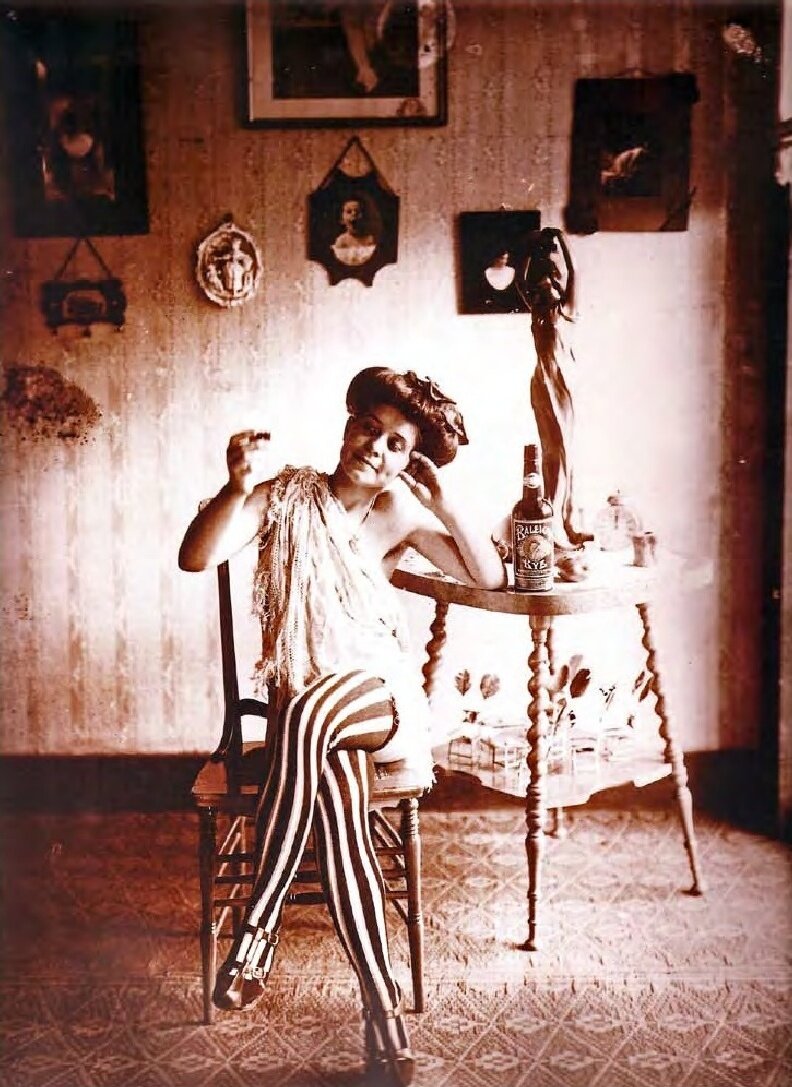
I stumbled upon this New Orleans photographer while listening to Karina Longworth’s You Must Remember This on the life of Polly Platt. Platt was a filmmaker whose invaluable efforts elevated many seminal nineteen-seventies films like What’s Up Doc?, A Star Is Born and Bad News Bears. Longworth takes us on behind the scenes of Pretty Baby, a phenomenal film directed by Louis Malle, penned by Platt and starring a pre-pubescent Brooke Shields. Platt was inspired to write the period New Orleans drama from Bellocq’s remarkable portraits of Storyville’s working women. Born into a well-to-do New Orleans family, he devoted himself entirely to industrial photography while capturing these illicit images on the side. Bellocq would later die in obscurity with much of his work being destroyed, save for his Storyville prints which were purchased by Lee Friedlander before being exhibited for the first time at the MOMA in 1970.
|
|
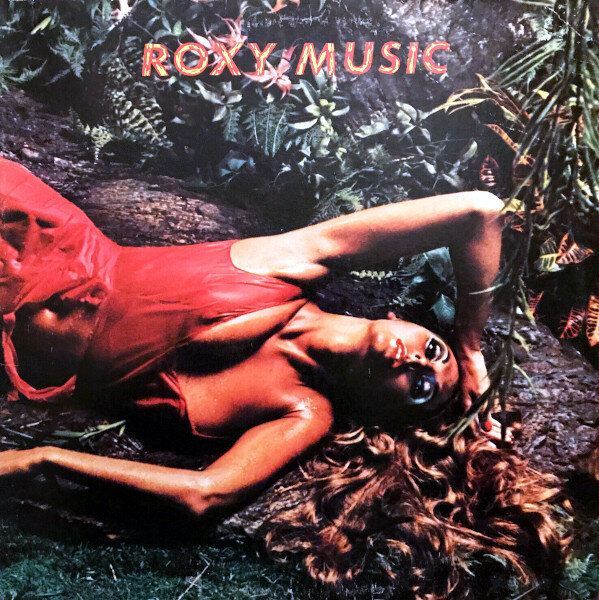
Michael Bracewell’s Roxy: The Band That Invented An Era critically examines one of Britain’s foremost art rock bands from the early seventies. While Bracewell’s dense prose and meandering tangents led me to skim-read through, it nonetheless offered a genuinely curious look at the formation of this cult band. Roxy Music’s very conception owed so much to the magic of happenstance, of its founding members being in the right place at the right time. With the gift of hindsight, it’s wild to think that Bryan Ferry and Brian Eno were once making music together in the same room. Listening to this third album helped me to appreciate the irreverence of its underlying sound and lyrics, reinforcing their central tenet to never play to the house and to always inspire a sense of possibility.
|
|
Thanks for reading. To show your support, forward it to someone who’d like it.
If you’re seeing this newsletter for the first time, you can read previous issues and subscribe here.
|
|
|
|
|