|
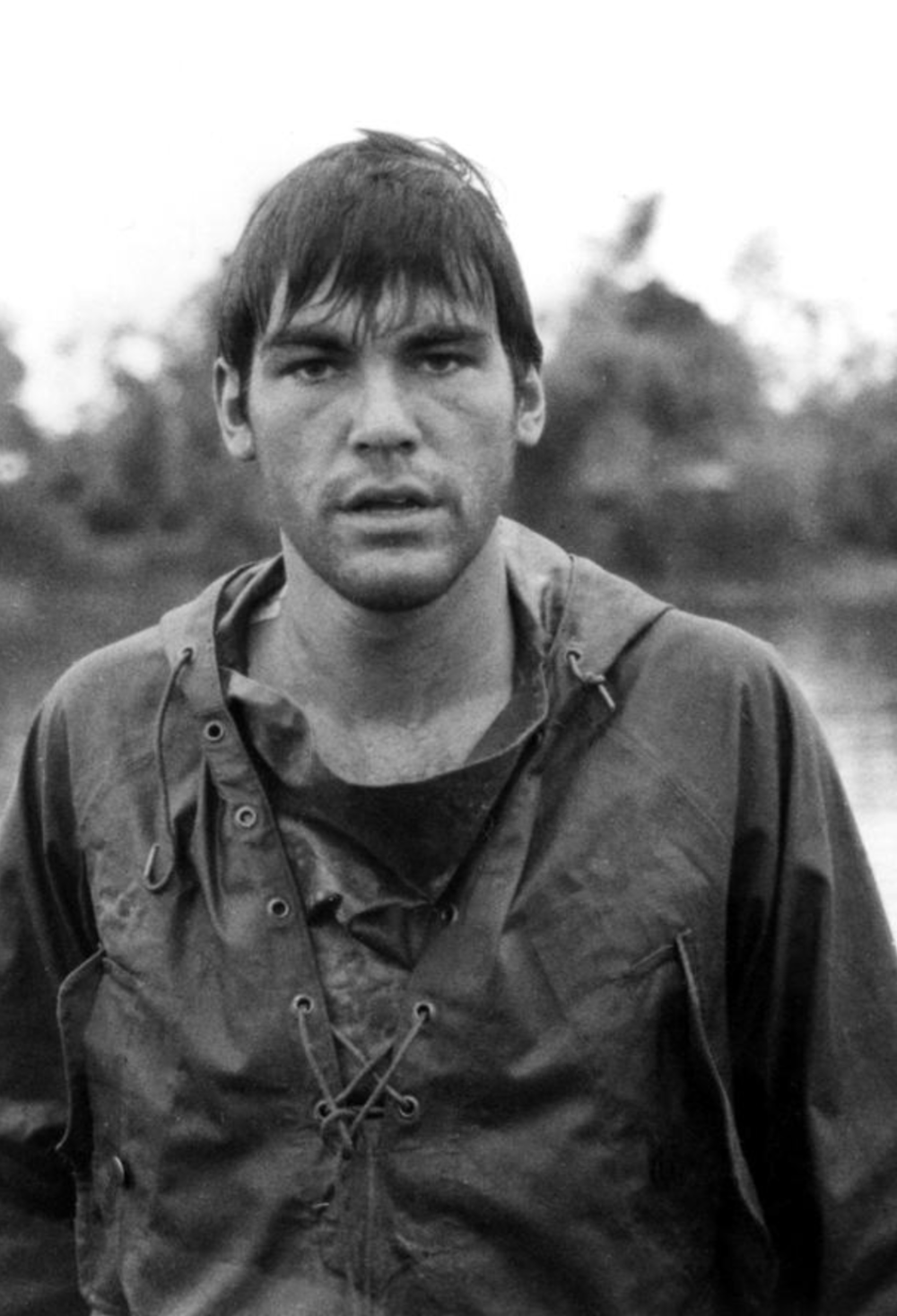
Oliver Stone’s newly-released memoir tells it like it is and much more! $$PLAIN_TEXT_PREVIEW$$
MY FAVOURITE THINGS |Take It As It Comes
|
“Failure taught me how to feel my pain, the rawness of my anger and hurt; it also taught me bitterness and the desire for revenge and its uselessness, and in the end, it taught me resilience, strength, and detachment.” — OLIVER STONE
|
|
I suffered a relapse last week, haunted by the idea that my days as an intrepid explorer are suspended indefinitely. In effect, I succumbed to the scarcity syndrome made plain through the rhetoric of this ongoing pandemic. Don’t leave the house. Don’t dance. Don’t hug. Don’t wine or dine. Don’t have fun (or else). While I am aware there is scientific weight to this doctrine, the result of such fear-mongering left me spiritually impotent and compelled me to restart my daily confession — my take on Julia Cameron’s Morning Pages — in order to get to the bottom of my angst and anxiety.
|
|
As I wrote in my blog last month, this exclusive extract from Oliver Stone’s newly-released memoir prompted me to seek out a copy in its entirety. As I approach the final chapters of this moving tell-all, I’ve found myself reflecting on my own life as a screenwriter and filmmaker. Not only does the book offer a salacious look inside the Hollywood system but examines the interior life of a writer riding the rollercoaster of ecstatic highs and dismal failure. Like the New York native, I’m riddled with that same incessant need for more, to constantly work on my own shortcomings in pursuit of some higher understanding. The septuagenarian’s brazen honesty has proven strangely cathartic, helping me to acknowledge my own experiences. Making my debut feature in Romania pushed me to the brink, both physically and emotionally and instilled a resilience and self-reliance that forever shifted my consciousness. Reading of his struggles to bring Platoon - his deeply personal examination of his experience in Vietnam - has inspired me to get back on the horse in pursuit of my new passion project.
|
|
While I was certainly curious to sit down with Ciro Guerra’s latest film - his follow-up to 2015’s critically acclaimed Embrace of The Serpent - I had no conception that this two-hour epic would completely transform my understanding of the war on drugs. Guerra helms this intricate family drama with his ex-wife Cristina Gallego, transporting us into the remote lands of nineteen-sixties Colombia and tracking the trials and tribulations of a first nation’s tribe as the advent of global commerce lands on their doorstop. In effect, it portrays the tragic effects of modernity as foreign demand for ‘wild grass’ (marijuana) slowly corrupts this tribal family into a burgeoning crime syndicate. The screenwriters’ weave Shakespearean tragedy into this historic drama and the result is searing and heartbreaking. ‘Be careful what you wish for’ is the central tenet of this harrowing period piece and a visual statement that the cinematic medium is alive and well.
|
|
My amigo Ian James turned me into this Sunday Read from The New York Times. The top brass at the Gray Lady continue to adapt to an ever-changing media landscape and have been investing heavily in their audio output. In this case, they’re adapting some of their acclaimed archived pieces into audio form and helping to give these immersive pieces a second life. This tale of survival, of a Long Island fisherman thrown overboard in the dead of night is both heartwarming and laced with an undercurrent of truth to our current moment. To hear how John Aldridge used every ounce of his body and mind to stay alive and afloat for over twelve hours is awe-inspiring and humbling. This type go investigative journalism, penned by Paul Tough, is my favourite kind of reading and not only entertains but helps to shed light on the universal importance of community.
|
|
I was lucky enough to catch a 70MM screening of Roland Joffé’s nineteen-eighties masterpiece The Mission last week at The Ritz. Written by the acclaimed English screenwriter Robert Bolt, the film portrays the growing divisions between the Spanish Crown and the Jesuit order in eighteenth century Argentina. According to Stone’s memoir, Bolt slaved over the screenplay for well over a decade before it was brought to life. While the film failed to land commercially, Joffé paints an extraordinary portrait, the visual story enriched by Ennio Morricone’s mesmerizing score. Jeremy Irons and Robert De Niro shine within this impressive ensemble alongside a baby faced Liam Neeson. This beautiful behind-the-scenes documentary offers an incredible look at the arduous production in the South American jungles.
|
|
This Bobby Womack LP came up as a hot ticket recommend on my Spotify homepage. There is something so comforting in the sounds of classic R&B tracks, music which successfully puts the nitty gritty in perspective. Womack’s own life has always been of great interest to me. Starting out as The Womack Brothers in the mid nineteen-fifties, the ten-year old crooner would find a mentor in Sam Cooke who shepherded the upstart trio through the years. Womack would find work as a session musician in his teens before treading his own path in 1968. I can’t imagine coming of age on the circuit but listening to this 1974 LP, whose title track features his biggest hit to date, brought me one step closer to understanding the Cleveland native.
|
|
Jacques Peretti’s The Deals That Made the World continues to burn holes in my heart, turning me onto this fascinating 2002 New Yorker article by the great Malcolm Gladwell. Gladwell takes aim at McKinsey, one of the most powerful management companies and lobbying conglomerates, which played an integral role in the inevitable downfall of Enron. Their reach extends to the highest rungs of power, from the Oval Office to 10 Downing St and has effectively shifted the way we now receive and consume big business rhetoric. The article led me to re-watch Alex Gibney’s celebrated documentary Enron: The Smartest Guys In The Room in snippets over my lunch breaks. It was disconcerting to discover that the doc left me strangely numb. The age of Trump serving as a constant reminder that a good yarn and poignant branding now eclipses truth and integrity.
|
|
Alfonso Gomez-Rejon’s explores the precarious battle to distribute electricity across the continental United States. Acclaimed inventor Thomas Edison (Benedict Cumberbatch) and business magnate George Westinghouse (Michael Shannon) are the principal contestants, two visionary minds whose core beliefs would inspire one of Australia’s most iconic rock groups (AC/DC anyone?) and split the country asunder. I was blown away to discover that the film itself suffered its own distribution battles, becoming embroiled in the Miramax collapse when Harvey Weinstein was finally dethroned. Thankfully the picture has found new guardians in 101 Studios which released a director’s cut last month Down Under. Gomez-Rejon delivers a truly immersive take on this fascinating slice of history. “Genius is one percent inspiration and ninety-nine percent perspiration.” — Thomas Edison
|
|
My love of the open road compelled me to tuck into a historical look at the rise of the automobile. William Pelfrey’s account of General Motors and the men behind its rise to the top is both consummate and deeply satisfying. Pelfrey paints such a vivid picture of Detroit at the turn of the century, of a burgeoning community home to the nation’s foremost thinkers and tinkerers. I loved hearing about the humble beginnings of some of the world’s most celebrated automakers from Walter Chrysler and David Buick to the celebrated Henry Ford. I was surprised to learn that the state of Michigan was also the home of the most successful carriage makers of the day. To think that William C. Durant, founder of General Motors and creator of the most successful carriage company would be the only true contender to Ford Motors is truly remarkable.
|
|
The fourth installment of this tongue-in-cheek series from acclaimed filmmaker Michael Winterbottom lives up to expectations and delivers a sincerely enjoyable ninety-minute sojourn through the Greek isles. There has been a curious evolution through the ongoing series, especially when viewed through the first film released a decade earlier. I for one love that the formerly contentious nature between Steve Coogan and Rob Brydon has been replaced with muted brotherly love. I’ve been a fan of Coogan since my teen years, enamoured with his turns as Alan Partridge and his earliest collaborations with Winterbottom in 24 Hour Party People and Tristram Shandy: A Cock and Bull Story. Yet it is Brydon’s good natured presence that was wormed its way into my heart through the ongoing series.
|
|
This curious edition of The Daily podcast takes aim at the origins of cancel culture and offers a refreshing take. I was surprised to learn that its genesis is less than five years old and stems from an in-joke within the African American community. I guess it should come as no surprise that white culture would appropriate such tongue-in-cheek rhetoric in reviving the red-baiting tactics of nineteen-fifties McCarthyism. I loved Barack Obama’s takedown, helping us to understand that our flawed nature is what makes us human in the first place. The episode also turned me onto this open letter in Harper’s Magazine from last month, penned by some of the nation’s most celebrated writers. Such a calm and collected response from members of the establishment gives me hope that we can tame our primal urges in favour of civil debate. “As writers we need a culture that leaves us room for experimentation, risk taking, and even mistakes. We need to preserve the possibility of good-faith disagreement without dire professional consequences.” — Open Letter
|
|
Austin Kleon’s weekly newsletter turned me onto the life of the Japanese-American sculptor Ruth Asawa. While I’d never heard of Asawa, I was instantly drawn to her creations, bulbous interwoven shapes that often hung floor to ceiling. Reading of her life was altogether humbling, to realize that she was prejudiced for both her gender and race, suffering the indignity of internment during WWII. Asawa would labour in the shadows of success for much of her life but would never let this lack of public acclaim affect her prodigious attention to creativity. The physical construction of each and every sculpture was a balm, a way of confronting her innate vulnerabilities and ultimately attaining a higher understanding in the process. “Each step in Asawa’s life gently reminds us of her mother Haru’s most important values: gaman—endurance; nintai—patience; and enryo—restraint.” — Daria Harper
|
|
My old friend Laurence Pike had an album launch event in celebration of his new solo LP last week. And while the COVID restrictions momentarily dampened my spirits upon arrival, the bad vibrations quickly dissipated as soon as Pike sat behind his drum kit. I remember first coming upon the Australian talent in the mid-noughties and being blown away by Pike’s passionate intensity. There is something so primal about his percussive tracks, laced with an energy that induces both angst and transcendence all at the same time. The evening was a stark reminder of the power of live music and the cathartic effects of collective listening. You can listen to the album here and purchase yourself a vinyl pressing here.
|
|
Thanks for reading. To show your support, forward it to someone who’d like it.
If you’re seeing this newsletter for the first time, you can read previous issues and subscribe here.
|
|
|
|
|