|
Why there will never be another Michael Hutchence and much more! $$PLAIN_TEXT_PREVIEW$$
MY FAVOURITE THINGS Never Tear Us Apart
|
“Sex, love, food, drugs, music, travel, books, you name it, he wanted to experience it…As his partner I got to experience a lot of that as well. If you’re a sensual being, all of your senses need stimulation. He definitely awakened my desire for things in my world.” — KYLIE MINOGUE
|
|
I’m due to record the first episode of what will (hopefully) become a ten-part podcast series with my old City of Angels roomie Kane Senes next week. Kane and I are two dinky-di filmmakers that made our first feature films in foreign countries and every single time we get together we find ourselves deep-diving into the cinematic medium. While Popcorn Therapy is a good excuse for us to get together and chew the fat on all things pop culture, we will also be weighing in on Oscars 2020 and chatting with industry insiders. It also gives us a chance to reflect on how revelatory films have been on our individual growth. A comforting reminder that we’re not alone on this journey called life. Details to come! Xo
|
|
When a former love interest confessed that I reminded her of the late Michael Hutchence, I thought I’d died and gone to heaven. After tucking into Mystify, a retrospective documentary directed by Richard Lowenstein that made ways at Tribeca Film Festival earlier this year, I found myself covered in goosebumps at so many junctures. Moments akin to déjà vu. I felt an instant connection to the former frontman of INXS, a young man with a penchant for philosophy, his nose was always buried in a high-brow piece of fiction or else some dreadfully morose musings on the meaning of life. From an early age, Hutchence exuded an aura that rallied friends and strangers to his side, bringing him management right out of High School. As years of endless touring and early successes came and went, Hutchence learned the true value of life, diving headfirst into the arms of curiousity. He was a highly intelligent and sensitive soul, a man who openly acknowledged his many public masks, used to shield himself from the endless noise that accompanies fame. Watching this charismatic Sydney-sider capture the world with his creative expression throughout the nineteen-eighties was something special. While Lowenstein, a close friend of Hutchence and the director of INXS’ most iconic music videos, delivers a fawning narrative with few blemishes cast upon on its subject, he makes a rather compelling case for his innocence. Prior to a severe head concussion in Scandinavia in the early nineties, Hutchence was leading with his heart, surrounded by people who loved and protected him. With the accident losing his sense of smell and taste, the singer-songwriter fell into a tailspin that sealed his fate. Watching this heartbreaking coda was a precious reminder to savour the present with heart and soul for the future is not ours to predict.
|
|
There were so many truths that floored me while tucking into this juicy New Yorker interview with the one and only Jamie Lee Curtis. The offspring of Hollywood royalty (Janet Leigh and Tony Curtis), she was an atrocious student (suffering great learning difficulties) and has been a recovering alcoholic twenty-one years standing. Oh and she’s a renowned children’s book author! I love how open and forthcoming the Hollywood titan is about her auspicious roots and her path to fame. In fact her considerable fears and insecurities left me floundering for the simple reason that my earliest memories of her stem from her tough as nails turn as Wanda Gershwitz. I couldn’t have been more than ten or eleven at the time but found myself bowled over at Curtis’ ability to turn any man into a pile of mush in A Fish Called Wanda. It was heartbreaking to read about her her fifteen-year Vicodin addiction, a direct result of her Hollywood hey-day. After her breakout success in the Horror-smash Halloween in 1978, Curtis came to enjoy the real fruits of Hollywood privilege. While starring opposite John Travolta in the eighties romantic-drama Perfect, the thirty-five year actress was told by the great cinematographer Gordon Willis (The Godfather) that she was un-shootable (her eyes were too puffy). The public slight would lead her to undergo eye-surgery, resulting in her post-op opiate dependency. It takes great courage to speak out in the hopes of helping others confront addiction and this story alone reminds me why I’ll always love her.
|
|
It’s fair to say I didn’t see the twist coming at the end of the first episode of M. Night Shyamalan’s new television series. Debuting on Apple TV+ under a fortnight ago, the show offers a surprisingly fresh take on the age-old narrative between good and evil. Following a married yuppie couple living in a fashionable district of Shyamalan’s native Philadelphia (almost all of his films take place here), it opens with the arrival of a live-in nanny. What soon transpires (I won’t spill the tea!) is both fascinating and darkly comical in the same breath. What makes this show ever more relatable is its blurred line on fact and fiction, offering a fascinating look at grief and its impact on the psyche. Born in India, Shyamalan is the offspring of doctors who emigrated to the United States when he was a newborn. The Indian-American director exhibited a genuine affinity for visual storytelling from an early age, directing two independent feature films in his early twenties with budgets borrowed from family and friends. While both films failed to find favour, it was his third film, The Sixth Sense, that secured his place in the annals of film history and paved the way for his big budget narratives to come. Unbreakable, Signs, The Village, Glass. Many of his titles, all from original screenplays, offering variations on the supernatural or paranormal. While I am openly ambivalent about Shyamalan’s tastes, I have always been genuinly impressed with his ability to conceive of truly imaginative narratives. Having tucked into the first three episodes, the last of which left me a little concerned, I’m curious to know where the prolific director takes the ensuing storyline.
|
|
It’s absolutely bonkers to think that a Greek philosopher from 2500 years ago has so much to teach us about the current roster of Hollywood blockbusters. It’s even more impressive when those principles help to explain why certain pictures sink while others circumnavigate the globe ad infinitum. Michael Tierno’s Poetics For Screenwriters gets to the root of the story and its power on the spectator, adeptly transposing so many of Aristotle’s beliefs into concrete soundbites. While none of these principles are life-changing, it’s more than fair to say that he has reinforced the importance of structure. Of ensuring every single moment of screen time enhances the underlying story. The Greek polymath offers words of wisdom on the power of character, stressing the importance of cultivating characters that come alive in their own special way. I’ve been writing screenplays for over a decade now. While I can certainly admit to the years having expanded my ability to conceive a story, it never seems to get any easier. Tierno’s book serves as a sobering reminder that we can all use a good refresher, irrespective of how many years of experience are tucked under our belt. For those looking for guidance or renewed confidence for a re-write, you can download a free PDF of the book here. It’s well worth the investment.
|
|
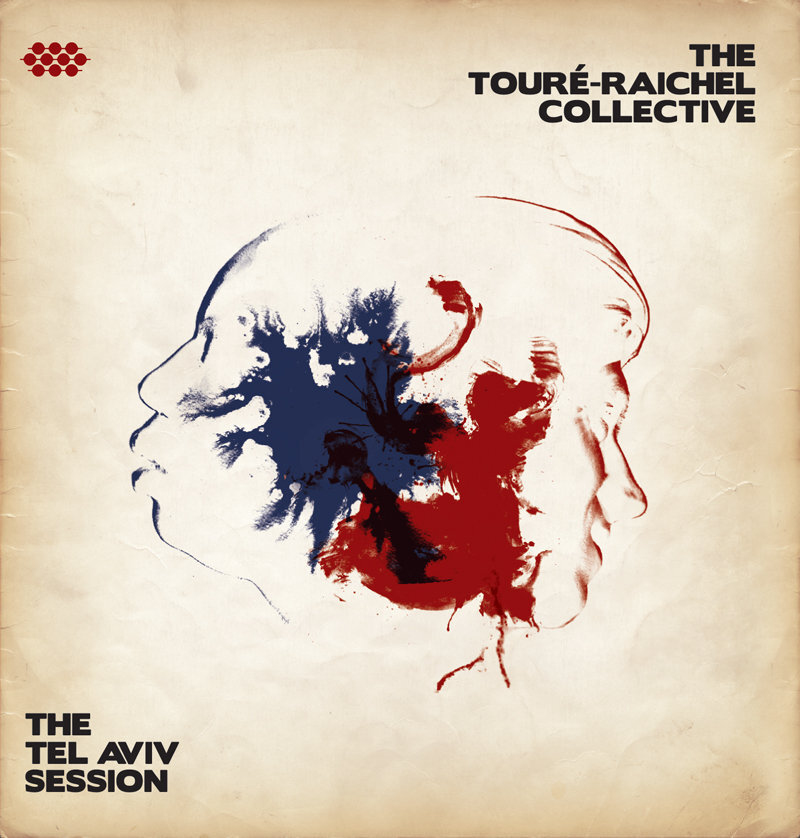
I came across this immersive album while exploring yet another Carpenter’s Daughter playlist. A collaboration between two talents, Idan Raichel and Vieux Farka Touré, the album features a collection of percussive recordings captured on the Israeli coast. Raichel is an Israeli keyboardist and producer who cut his teeth in the army rock band, touring the nation while serving out his mandatory duty. He came to find a name after producing The Idan Raichel Project, an album that marries Ethiopian folk music with Israeli traditional ballads and included the collaboration of over seventy musicians. Farka Touré, the second son of the famed Ali Farka Touré, went against the wishes of his father in following his musical passions. Upon a chance meeting in 2008, the pair made a pact to tour together and a few years later found themselves in a recording studio. The eleven-track LP, a blend of Malian rhythms crossed with Israeli melodies, is something special with the opener (Azawade) and closer (Alem) offering rare examples of what happens when you’re willing to go out on a limb. There is something so magical to this record, filled with so many moments that rise above the ordinary to become something transcendent. "It was like having two chefs in the kitchen. At the end of the day, everyone uses the basics: sugar, or salt, or water. So we went to the basics of both of our cultures and we just let the music flow.” — Idan Raichel
|
|
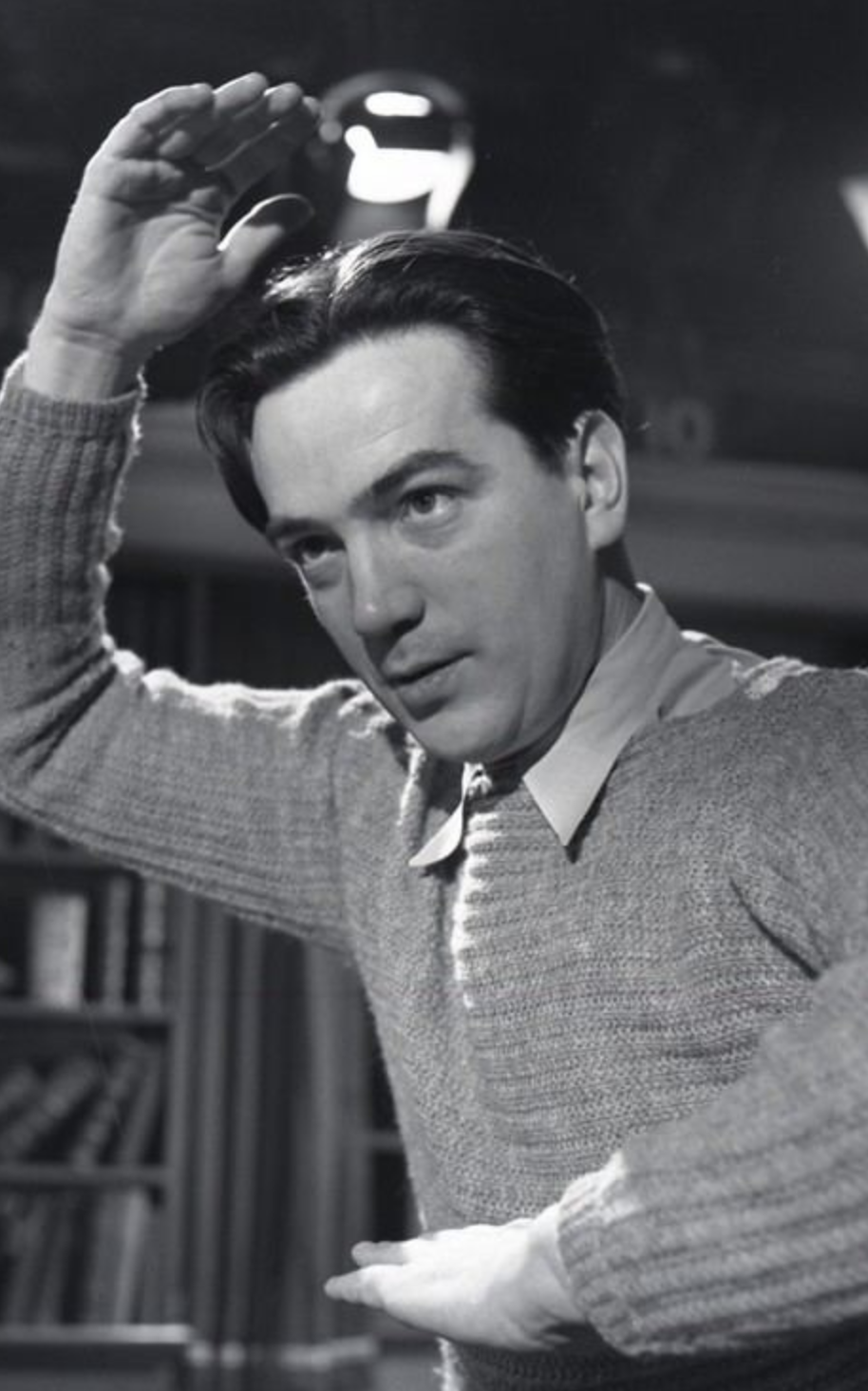
I stumbled back over Alexander MacKendrick while listening to Hollywood director James Mangold wax lyrical on his formative years, including a two year apprenticeship with the British-American director while studying at Cal Arts. MacKendrick was one of those rare breeds who lived many different lives. Born in Boston in 1912, he moved to Scotland at an early age with his mother following the premature death of his father. Securing employment as an art director at in 1930’s London, MacKendrick went on to direct promotional videos for the Allied war effort during WWII before being assigned a permanent posting at Ealing Studios in London. For the next fifteen years, MacKendrick made some of his most cherished pictures including The Ladykillers, which helped establish Peter Sellers’ career. When the studio declared bankruptcy, MacKendrick entertained offers from Hollywood, eventually agreeing to adapt Ernest Lehman’s novel The Sweet Smell of Success (one of my all-time favourites!) for the screen. While the film has since been hailed as a profound classic, MacKendrick found no such favour following the film’s muted reception. In the wake of several failed film projects, he would hang up his hat in the following decade, accepting a posting as the Dean of film at the Cal Arts Institute in Santa Clarita; a position he would hold until his final years. His body of thought from his tenure were subsequently published into a fascinating book. On Filmmaking, features a collection of essays on the multi-faceted world of the film director. Originally intended for his students, the timeless principles are now available to one and all, the perfect handbook to visual storytelling.
|
|
Thanks for tuning in. If you like this newsletter and want to support it, forward it to someone who’d like it. Until next time. Xo
|
|
|
|
|