|
Why we all need a little bit of Dolly Parton in our lives and much more! $$PLAIN_TEXT_PREVIEW$$
MY FAVOURITE THINGS
Coat of Many Colors
|
“Don’t get so busy making a living that you forget to make a life.”— DOLLY PARTON
|
|
I’ve been battling one of the worst hangovers of my life this week after an (excessively) indulgent mid-week bash. The event, hosted by Louis Vuitton in celebration of it’s renovated flag-ship store, was something out of a dream. Top-shelf champagne, delicious cocktails and a host of exotic nibbles that kept on coming until the wee hours. Needless to say I said yes to everything until my body went on strike and shut down the mainframe.
|
|
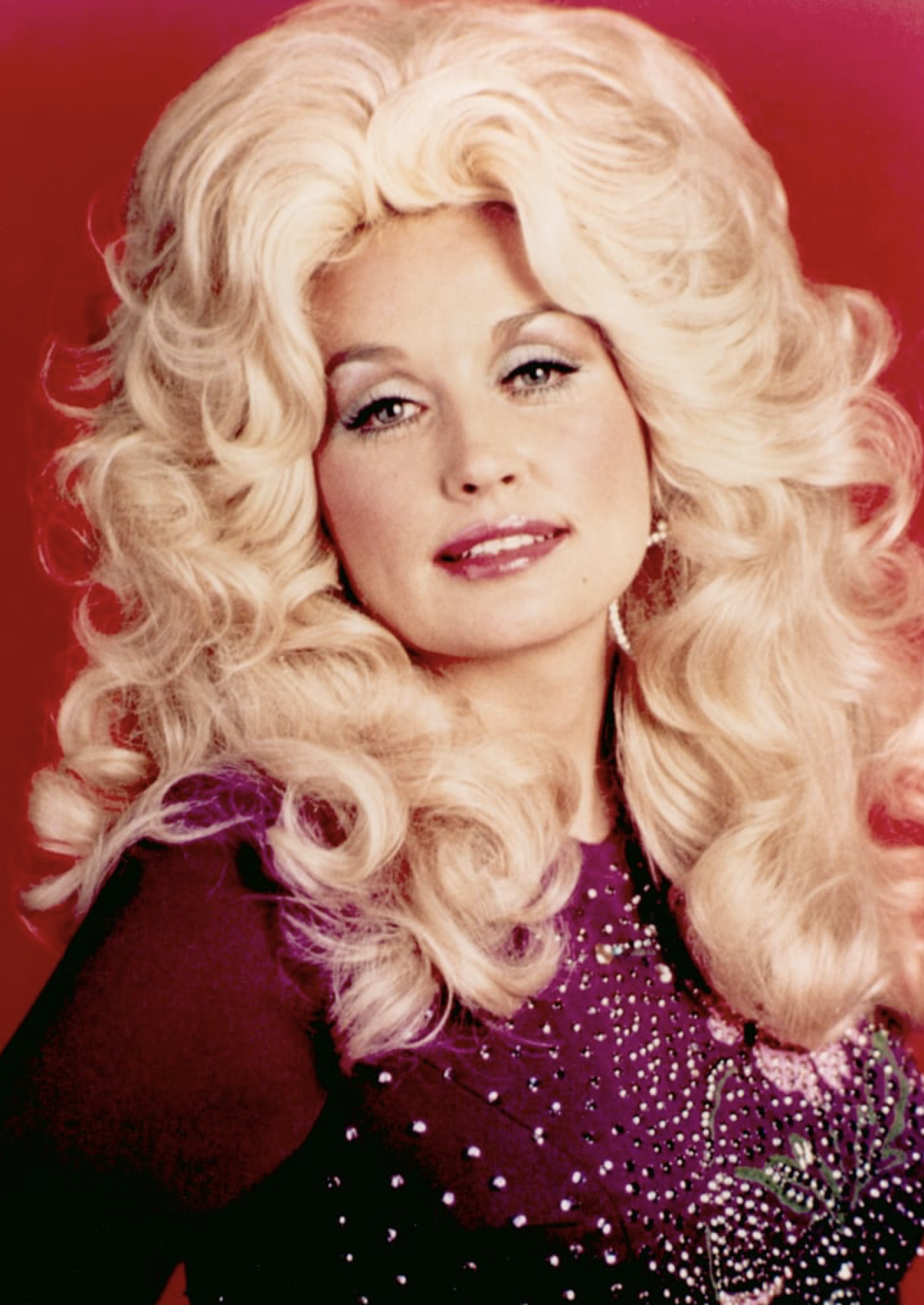
When I tucked into this curious New York Times exposé on Dolly Parton over the weekend I never expected to come away feeling on top of the world. Lindsay Zoladz speaks to Parton’s ever growing relevance in the 21st century — the age demographic has shifted from a majority baby-boomer fanbase to millennial in the past decade! — so much so that it has brought about a new Netflix series and a WNYC podcast. Dolly Parton’s America is one of the smartest podcasts I’ve ever come across, richly infused with layer upon layer of music and soundscapes that create such a rich acoustic tapestry. Three episodes deep into the nine-part series, I can honestly say that I’ve fallen head over heels for the Tennessee titan. If I’m being honest, I’d purposefully tuned out Parton’s high-pitched voice over the years, convinced her music had to be lacking in substance (I’m ashamed to say I judged her without doing any digging of my own). After becoming acquainted with her earliest recordings, it’s clear that her contributions to country music are genuinely profound. Much like Loretta Lynn, Parton was born into a one-room cabin in the great smoky mountains of East Tennessee, the fourth of twelve children. She learned to play on a homemade guitar from an early age and found favour within the musical community soon after. Her musical acumen wasn’t the only thing that socked me. It was her genuine love of people coupled with an innate desire to always spread love in the face of animosity. It reminded me of this incredible Drunk History segment I came across many years ago regarding her relationship with Porter Wagoner, a musician and personality who gave Parton her big break and broke her into the business. Following her decision to strike out on her own she went to his office and serenaded him with I Will Always Love You, one of the most heart-wrenching ballads that she had written specifically for him. Listening to it makes one thing abundantly clear; Parton sure knew how to kill ‘em with kindness.
|
|
My lady and I took ourselves to a cheap Tuesday session of James Mangold’s latest period flick on the birth of the American race car. Loosely based on A.J. Baims’ Go Like Hell: Ford, Ferrari, and Their Battle for Speed and Glory at Le Mans, it details the origin story behind the Ford Motor Company’s rocky road to designing the ultimate racing car. I’m gonna come right out the gate in saying that this film falls short of his incredible body of work, films that include Copland, Walk The Line and 3:10 to Yuma. And while I was slightly disappointed in not flying a little higher, there was so much to marvel at in this true-to-life story and its curious cast of characters. Mangold is a true filmmaker’s filmmaker, the kind of storyteller who always manages to construct the limits and bounds of a world with exacting precision. As he makes clear in this fascinating conversation on The Big Picture, the nineteen-sixties was a startling period of innovation and invention for the automotive industry. The fact that it was brought to bear over a hot-headed pissing content between Enzo Ferrari and Henry Ford II, two titans of industry, shouldn’t surprise anyone. You’ll come for the visual spectacle but you’ll stay for the onscreen bromance between Matt Damon and Christian Bale, a partnership forged in the depths of pain and loss.
|
|
This Variety profile made its way into my inbox and piqued my curiousity. I’ve been growing fonder by the year of Saoirse Ronan and her eclectic choice of projects. There is something uniquely exciting about the Irish-American thespian, a spirit that transcends our current moment. Wise beyond her twenty-five years, Ronan has been acting since the age of eleven, soaring to daring heights in the 2007 masterpiece Atonement. It’s rare for child actresses to come of age in Hollywood and still have a role to play into later life. Rarer still is it for them to shed their baby fat and excel to ever greater heights. The Way Back; The Grand Budapest Hotel; Brooklyn; Mary Queen of Scots. The list goes on. Her most recent collaboration with Greta Gerwig on Lady Bird, her debut feature, was a surprisingly beautiful examination of teenage life and the growing pains of leaving the nest. With the arrival of Gerwig’s follow-up next month, a remake of Gillian Armstrong’s 1994 Little Women, it’s been exciting to witness so much feel-good press around the casting and early screenings. To witness this talented group of women bringing such an iconic story to life for a new generation is a sobering reminder of history’s imperfections.
|
|
I had a sudden urge to hunt down a copy of this John Huston classic, streaming off Apple TV+ this week. This film is one of my all time favourites for its honest depiction of heartbreak and the never-ending tug-of-war between the sexes. The 1961 production is also a curious time capsule of a forgotten time, offering a rare glimpse into a band of Hollywood insiders who considered themselves to be true storytellers. Written by Arthur Miller as a lead vehicle for his second-wife Marilyn Monroe, it follows a band of characters living in Reno, Nevada and looking for a way out of the rat race. Clark Gable and Eli Wallach are superb as an unlikely pair of hucksters with tarnished backstories and a hunger for adventure. When they come upon the innocence of Monroe, a city girl freshly damaged from annulling her divorce, they convince her to stay a while. While many of its themes fall short in our present moment, namely its objectification of women — specifically iconic beauties like Monroe — it ultimately allows us an honest look at just how stark the differences were between the sexes. And while its ladykiller director can easily be roped in with this heavy-handed crowd, Huston evens out the playing field by shining a light on the emptiness of male bravado. With the arrival of Montgomery Clift (WOOF!) halfway through the picture we are shown just how much we (still) resemble our chest-thumping primates. Clift, a rodeo-whiz and cattle-rancher, wows Monroe with his dexterous bull-riding only to end up with a bleeding nose and a severe concussion. To witness the finale with Gable and his standoff with a wild brumby is to understand the true power of cinema and its ability to transcend everyday life.
|
|
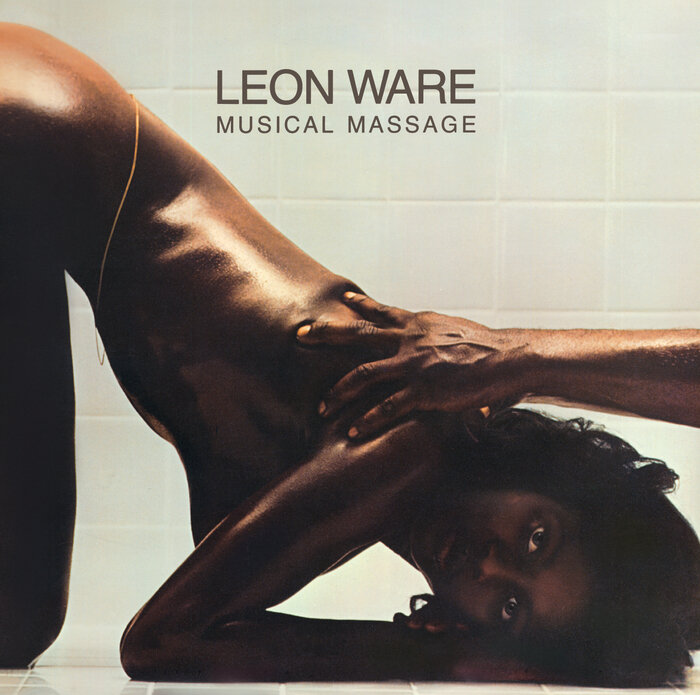
While sitting in the barber’s chair last week, Marvin Gaye’s phenomenal I Want You came blasting through the surround-sound and left me lip-syncing along without a care in the world. The 1976 single was the headline track of his fourteenth studio album of the same name, a collection of songs mostly written by Leon Ware. I’d never heard of Ware before but after devouring his wikipedia page, I soon realized that the Detroit musician had worked with the cream of the crop. Stars like The Isley Brothers, Quincy Jones, Donny Hathaway and The Miracles. When Berry Gordy, the Motown mogul first heard a demo of I Want You, he immediately sent it across to Gaye. Musical Massage, released the same year as Gaye’s own (talk about keeping busy!), seems to expand on so many of Gaye’s themes. It has such a beautiful sensibility, filled with so much promise and longing and oozes a sensuality that is infectious. I mean get a load of that album art! (the backside is even more tantalizing) The thirteen-track album embodies the talents of a musician at the top of his game, a bold and brilliant soundscape that makes you want to go mmmmmm.
|
|
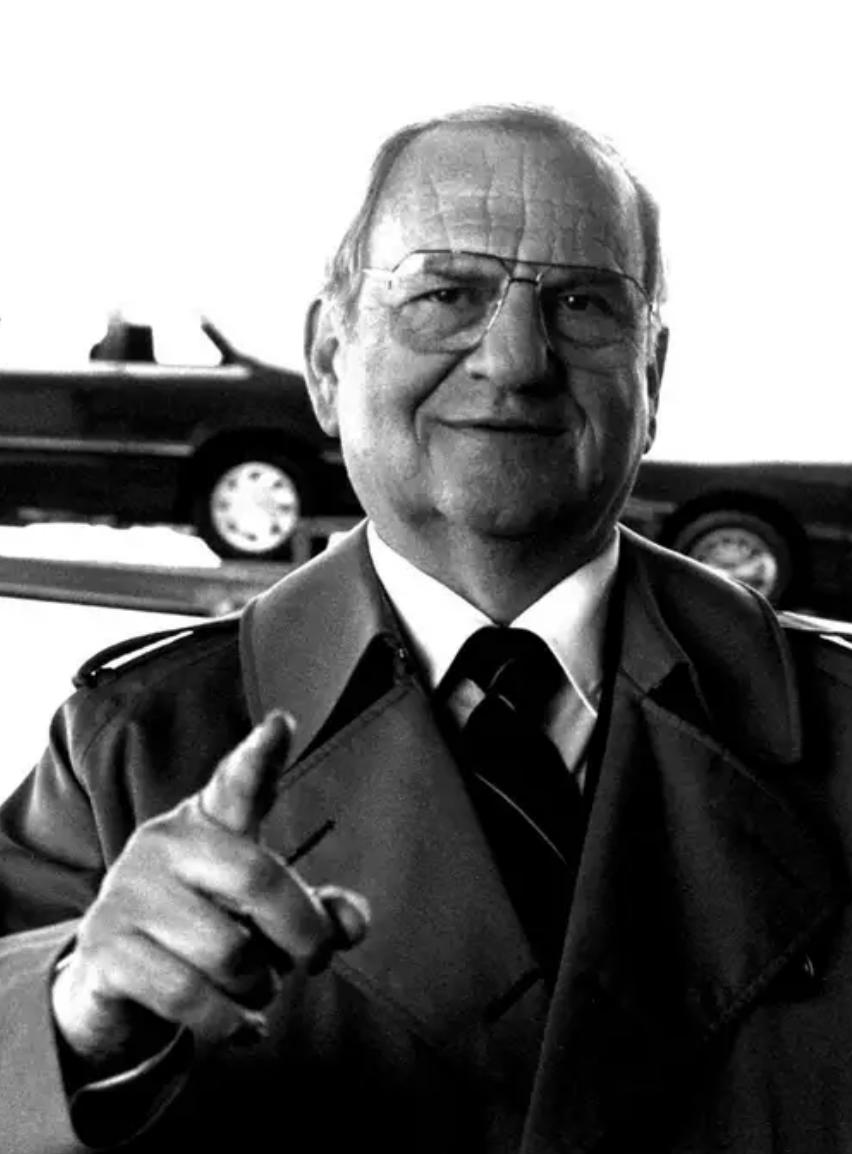
When I was in my early twenties, I had a brief romance with the grand-daughter of Lee Iacocca while she was visiting Down Under. Born and raised in the City of Angels, she regaled me with tales of her celebrated grandfather (at my insistence) and his glory days. Iacocca was born on October 15th, 1924 (a fellow Libran!) to Italian immigrants in Allentown, Pennsylvania and would go on to join the Ford Motor Company after enjoying a full scholarship at Princeton University. Iacocca had a nose for marketing with an early loan program of his leading the company to roll it out nationwide. The success of this gimmick led to his invitation to Dearborn, Ford’s central headquarters in Michigan. It was here that he came to work under Robert McNamara, a powerful executive that would soon ascend to President of Ford in 1960 before accepting a Secretary of Defense posting in the new Kennedy administration. McNamara taught Iacocca the tricks of the trade, from conducting meetings to the importance of bean counting. Not long after, Iacocca conceived the Ford Mustang, one of the company’s most cherished automobile lines (bringing in $1.2 billion in the first two years on the market). The success of this and other innovations led Henry Ford II to appoint him President in 1970. After thirty-two years at the company however, Iacocca was ousted in a public showdown only to be named President of the Chrysler Corporation the following year. Facing bankruptcy, Iacocca went to the government seeking financial aid and found the capital he was looking for to bankroll his visions. By the mid-eighties, Chrysler was back on top with record profits and had paid back their $1.2 billion loans seven years early. Celebrated as a brash and bold innovator, he passed away earlier this year at the age of ninety-four. “In times of great stress or adversity, it's always best to keep busy, to plow your anger and your energy into something positive.”
|
|
Thanks for tuning in. If you like this newsletter and want to support it, forward it to someone who’d like it. Until next time. Xo
|
|
|
|
|